Lighting
Lighting supports day cycles, heat and vitamin D synthesis. Many reptiles need UVB plus a basking light, set on timers to mimic natural days.

Best UVB Bulbs for Reptile Enclosures
UVB output, distance and mesh all change what reaches your animal. Compare bulb types, published distance guidance and replacement intervals before you fit one.
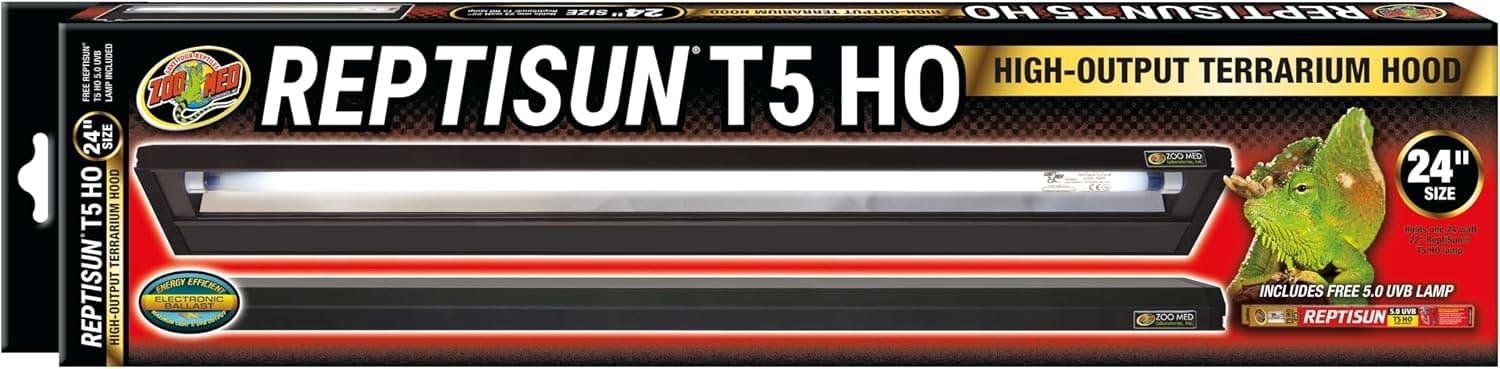
Best UVB Tube Fixtures for Reptile Enclosures
Tube fixtures spread UVB across a gradient so animals can self-regulate exposure. Compare reflectors, mounting options, tube sizes and long-term running costs.
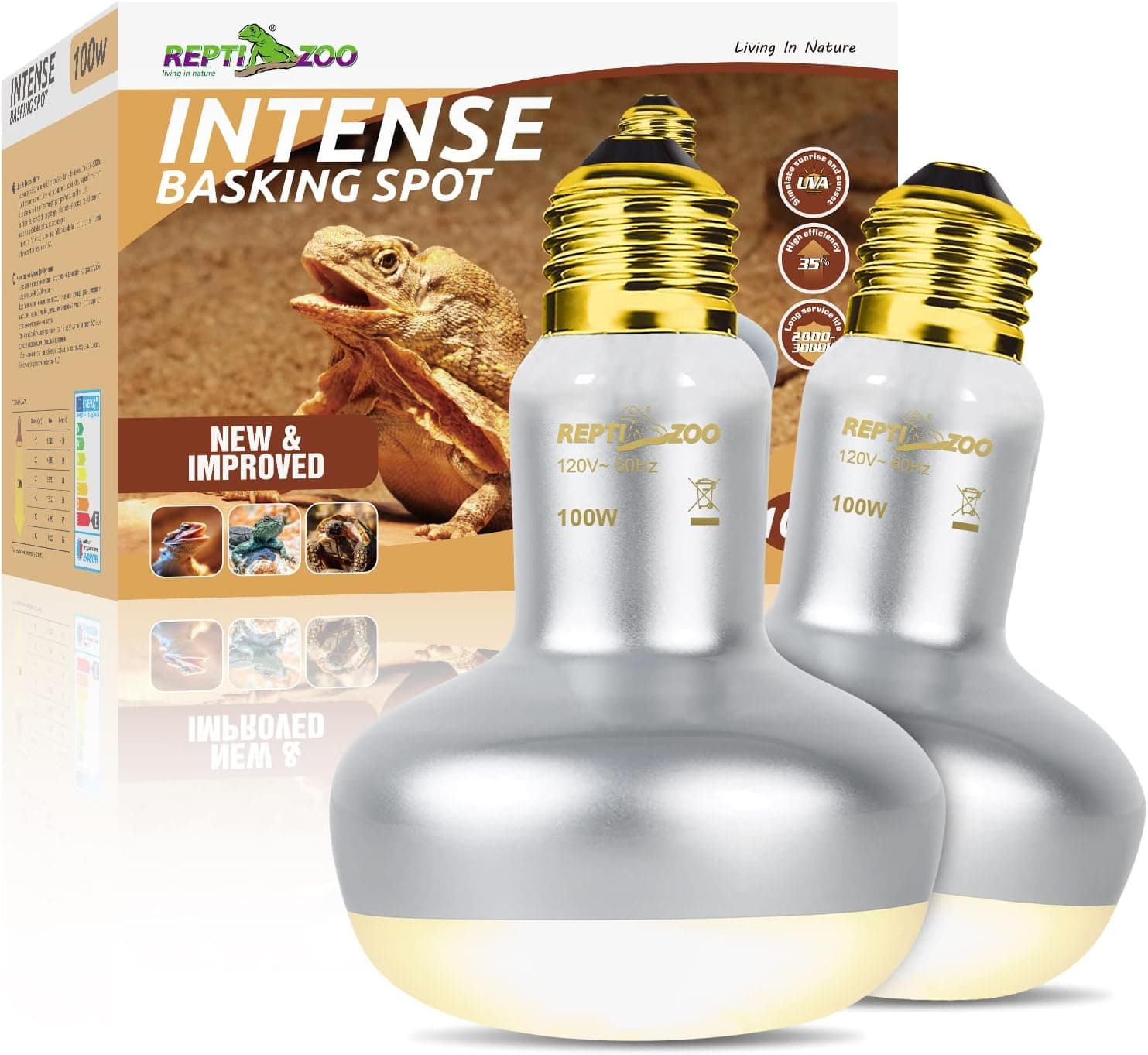
Best Basking Bulbs for Reptile Heat Gradients
A basking bulb creates the warm end your animal thermoregulates against. Compare beam spread, wattage, dimmer compatibility and lifespan before you fit one.
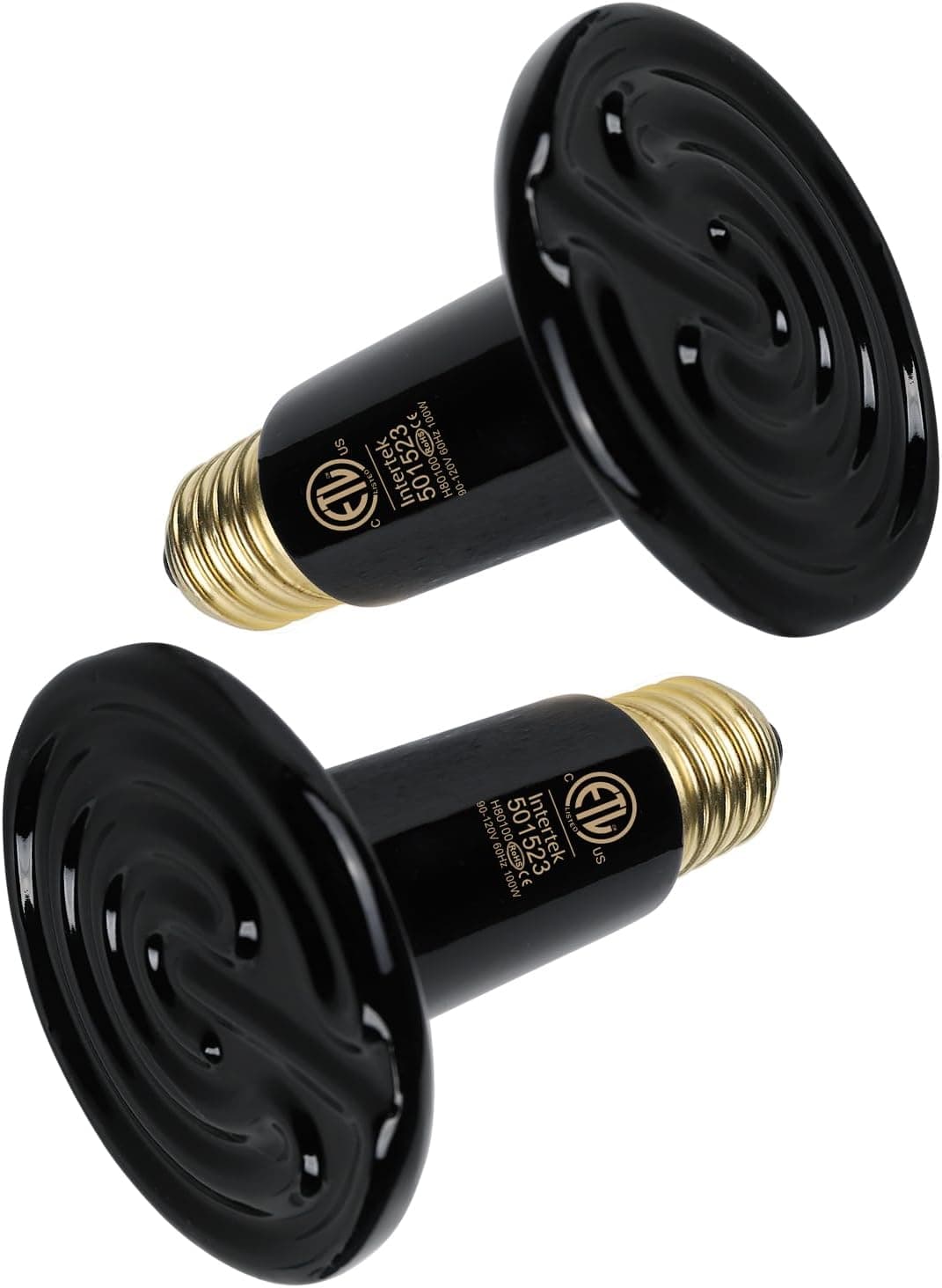
Best Ceramic Heat Emitters for Night and Ambient Heat
Ceramic heat emitters add warmth without light, useful for night temps and humid setups. Compare wattage, socket needs, thermostat pairing and safety guards.
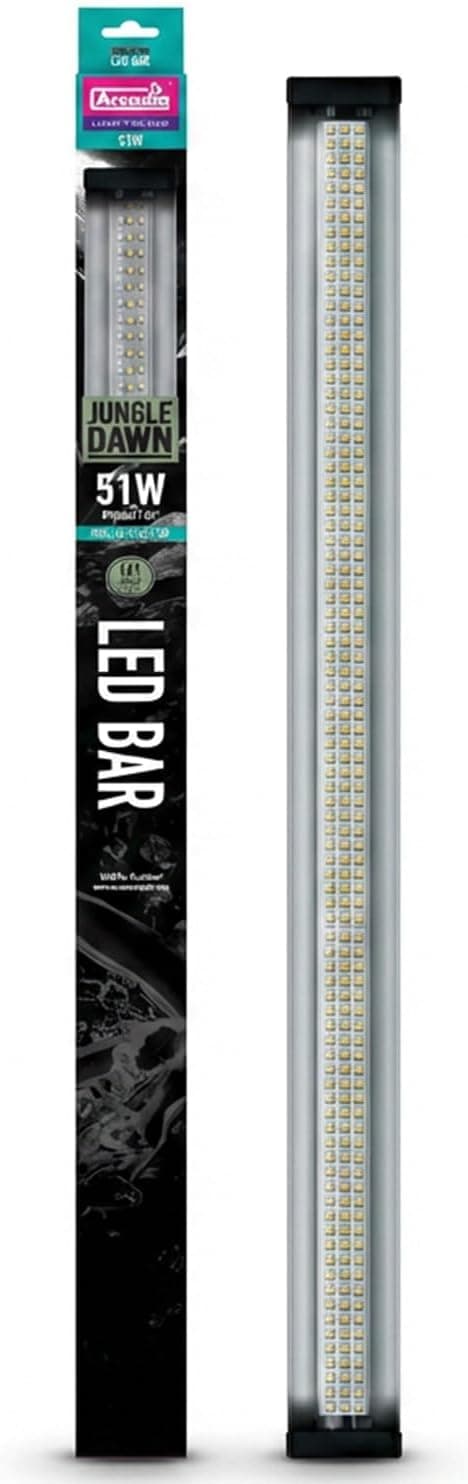
Best LED Terrarium Lights for Planted Vivariums
LED lighting drives plant growth, sets the day cycle and lets you see the animal. Compare spectrum, intensity, water resistance and mounting for your vivarium.
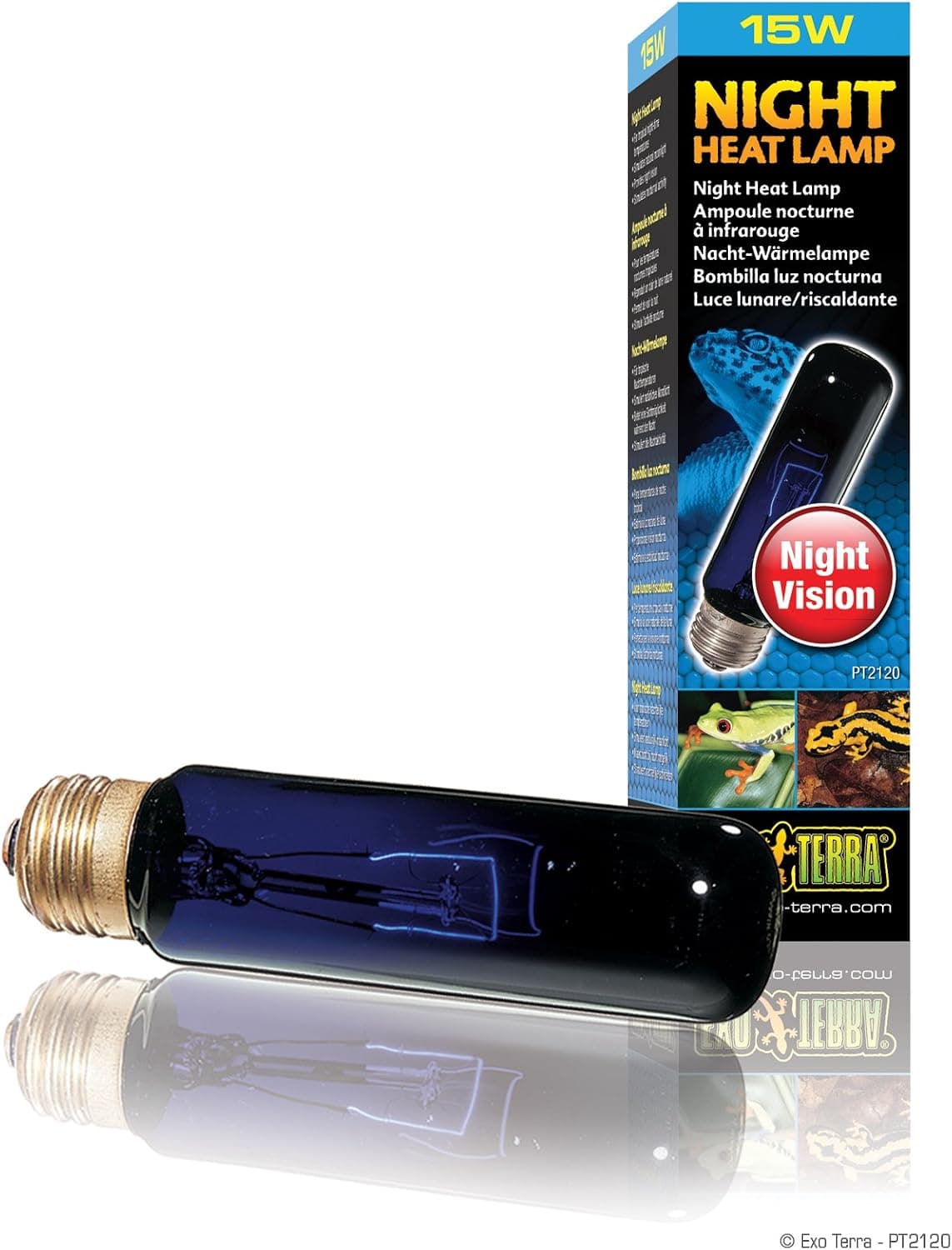
Best Night Heat and Low-Light Options for Reptiles
Coloured night bulbs are widely questioned by keepers. Compare heat-without-light options, dim viewing lights and thermostat pairing for safer overnight setups.
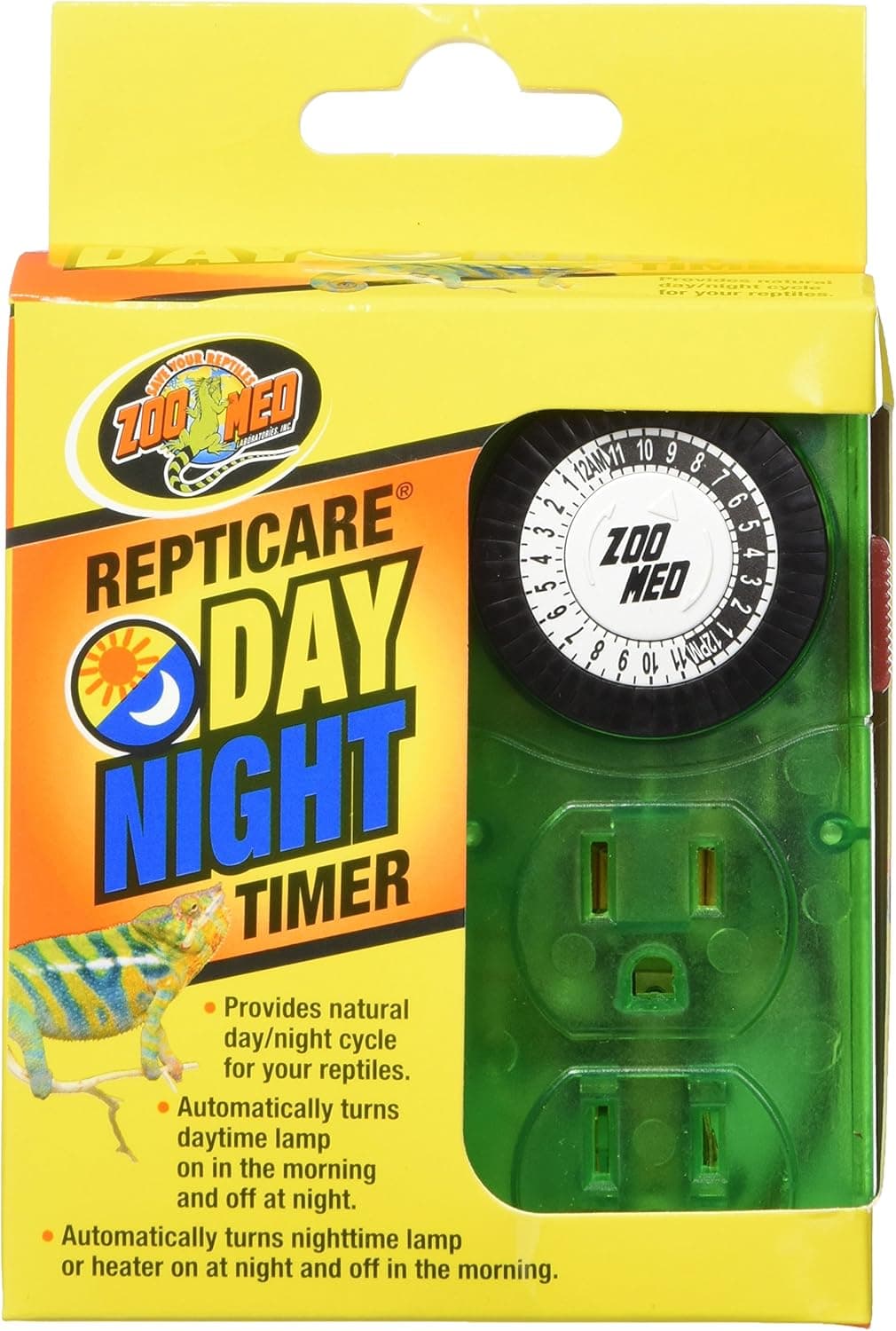
Best Light Timers for Reptile and Amphibian Enclosures
A steady photoperiod is easier on animals than manual switching. Compare outlet counts, load ratings, independent channels and backup after a power cut.
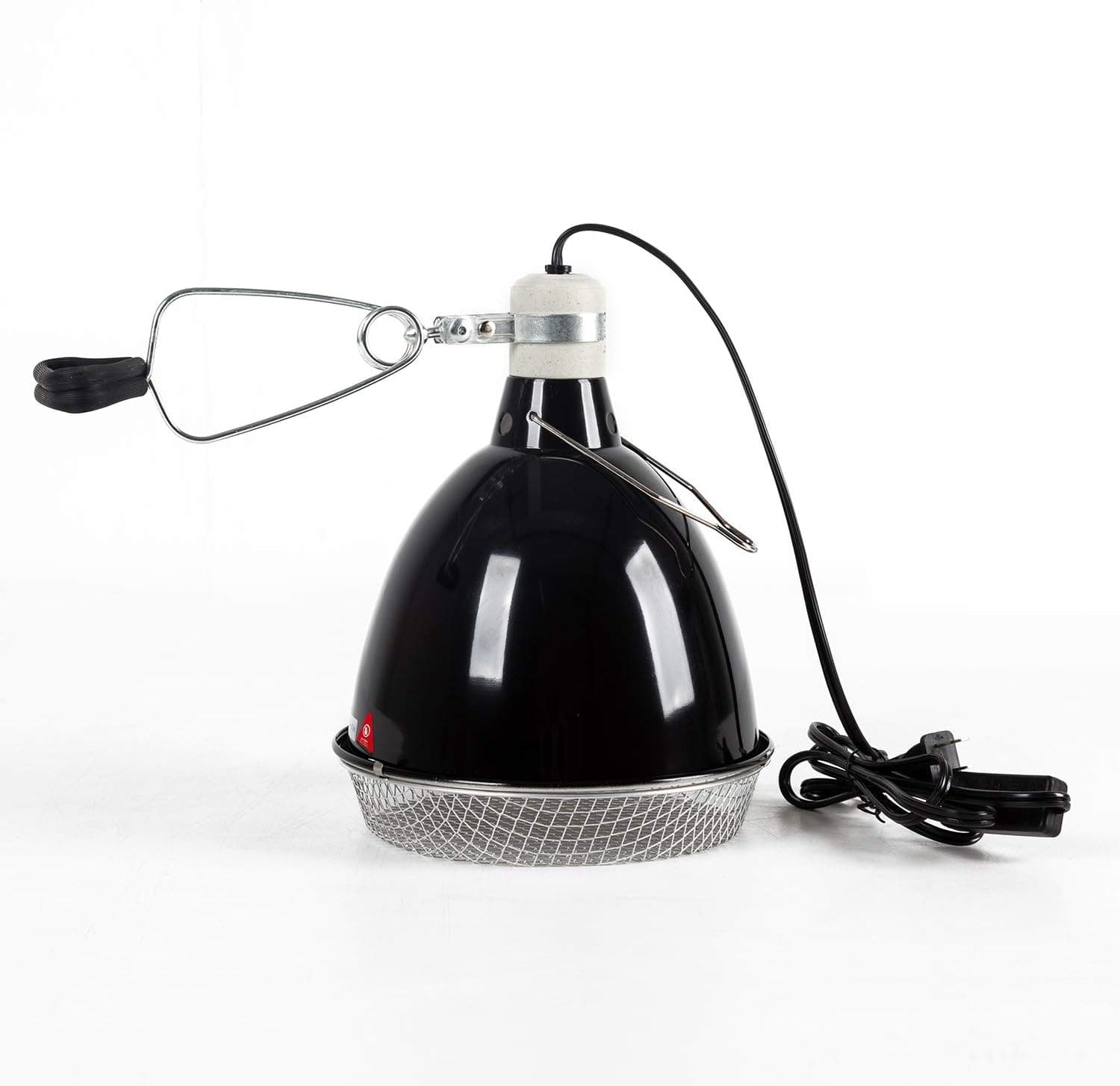
Best Dome Lamp Fixtures for Reptile Heat and UVB
The dome holds the bulb, shapes the beam and carries the heat. Compare socket ratings, reflector finish, clamp strength and guards before hanging one.
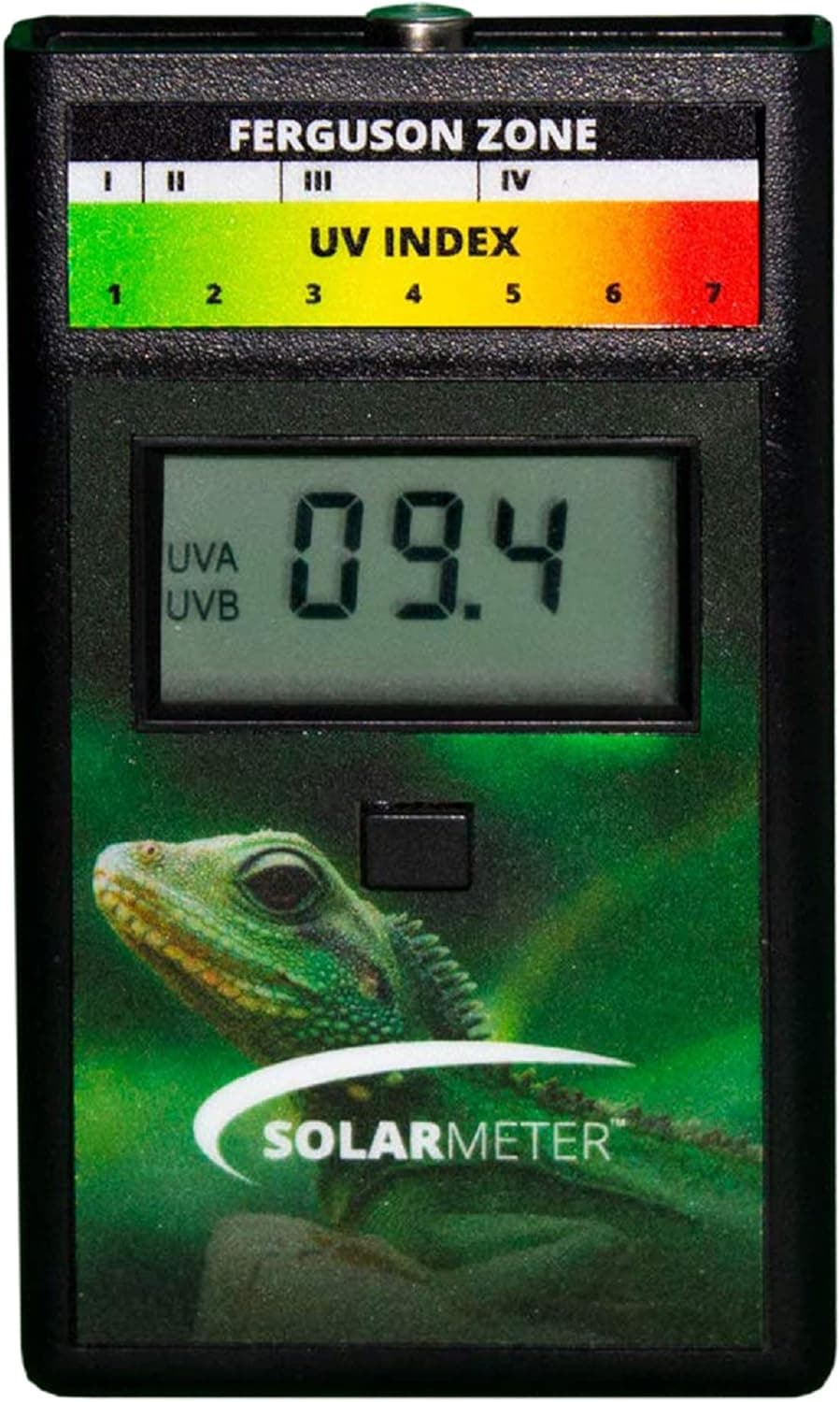
Best UV Index Meters for Checking Reptile Lighting
Without a meter, UVB levels are guesswork that drifts as bulbs age. Compare reading types, repeatability, ease of measuring at basking height and cost.
How to choose
- Provide species-appropriate UVB with a linear tube where recommended.
- Use a basking bulb to create a hot spot.
- Put lights on timers for consistent day and night.
- Replace UVB bulbs on the manufacturer's schedule.
Common questions
Do all reptiles need UVB?
Many diurnal reptiles do, and even crepuscular species can benefit from low-level UVB. Research your species and follow expert husbandry guidance.
How often should UVB bulbs be replaced?
UVB output declines before visible light does. Many bulbs need replacing every 6-12 months, so follow the manufacturer's guidance or measure with a UV meter.