Substrate & Bioactive
Substrate affects humidity, hygiene and natural behaviour. Options range from simple paper towel for quarantine to living bioactive soil with cleanup crews.
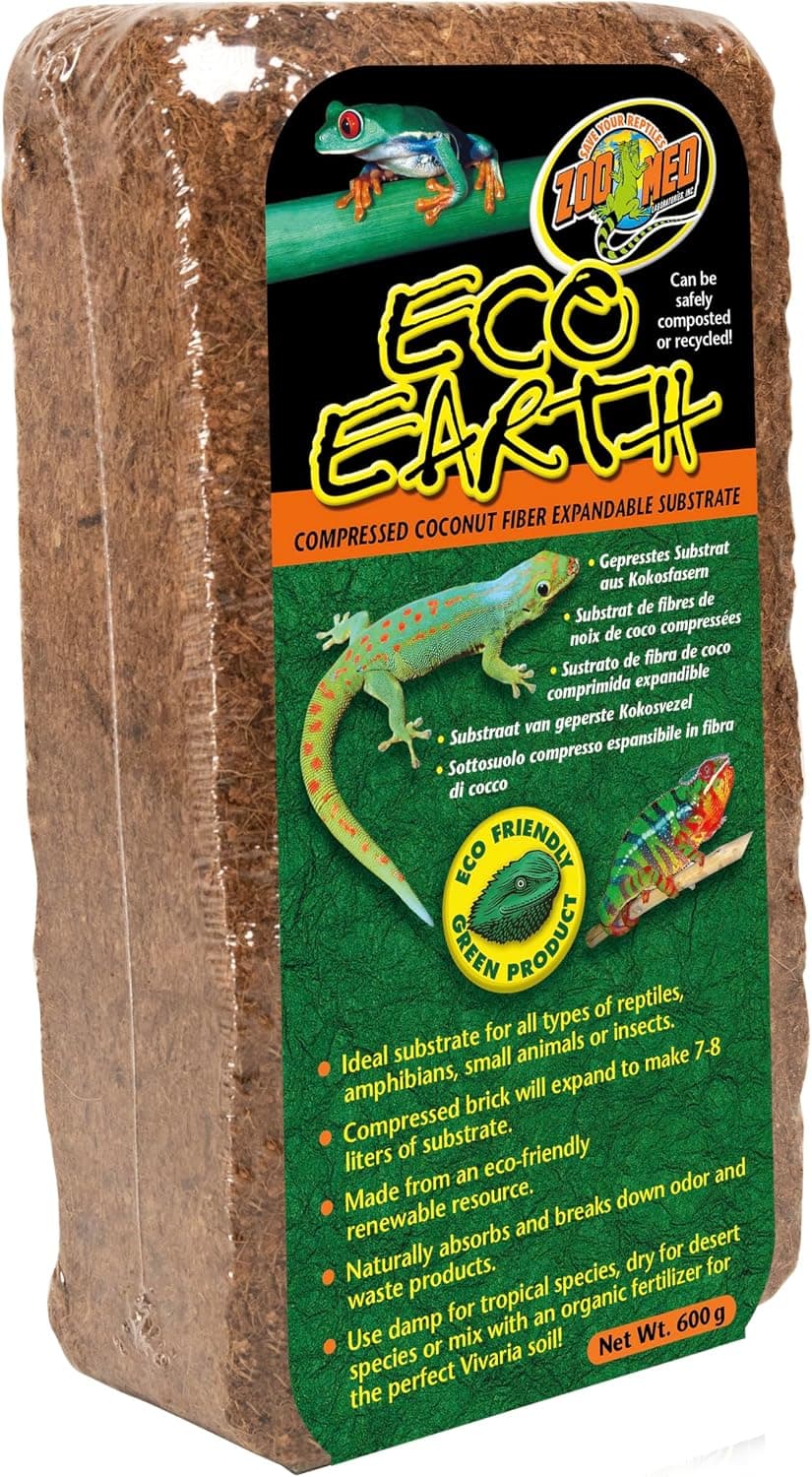
Best Coconut Fiber Bedding for Terrariums
Coco coir holds humidity well and stays affordable in bulk. Compare bricks versus loose bedding, fiber length, dust levels and which species it suits.
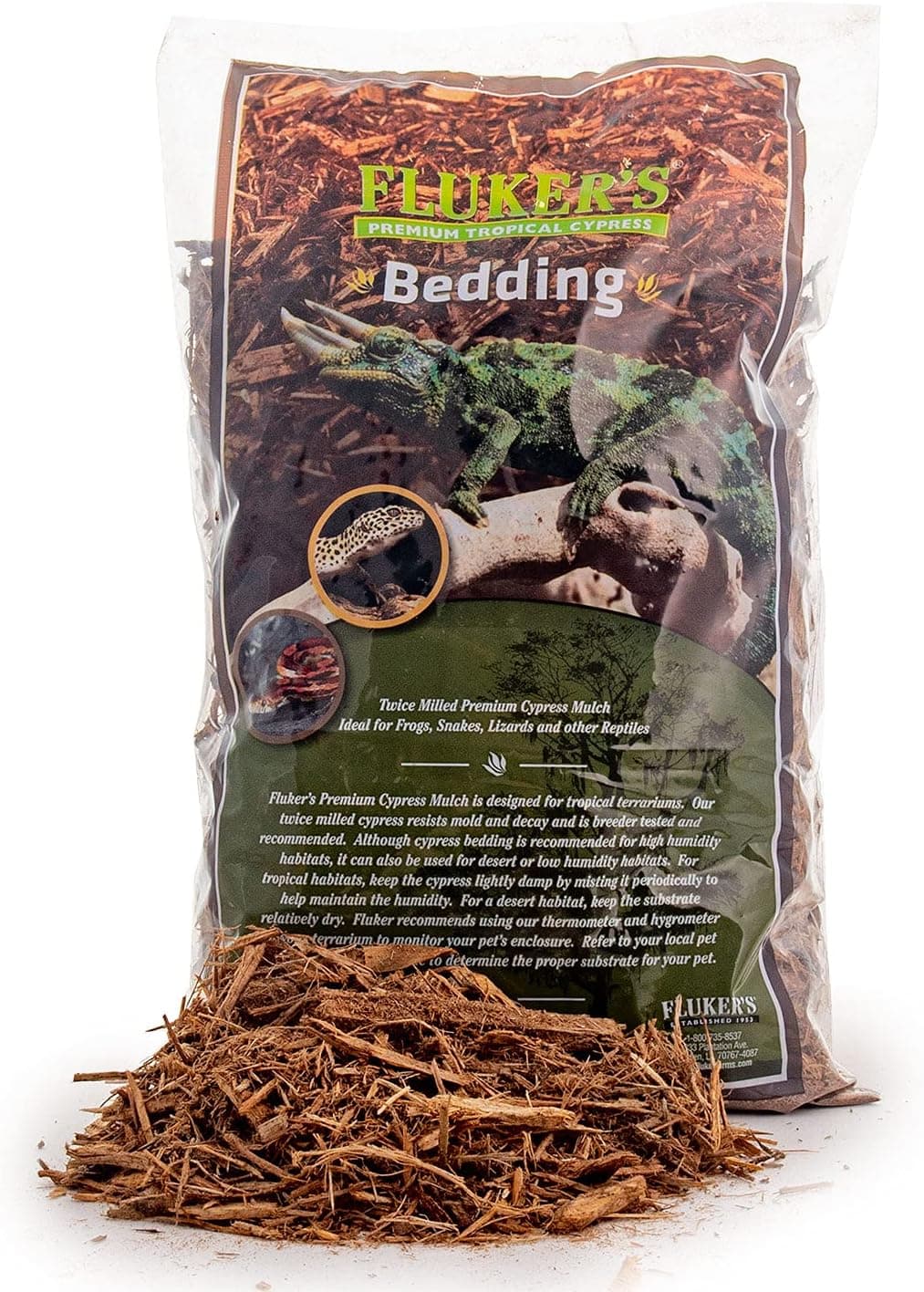
Best Reptile Substrates by Species and Setup
Substrate drives humidity, burrowing and hygiene. Compare loose, particle free and bioactive options by species needs, moisture holding and cleaning effort.
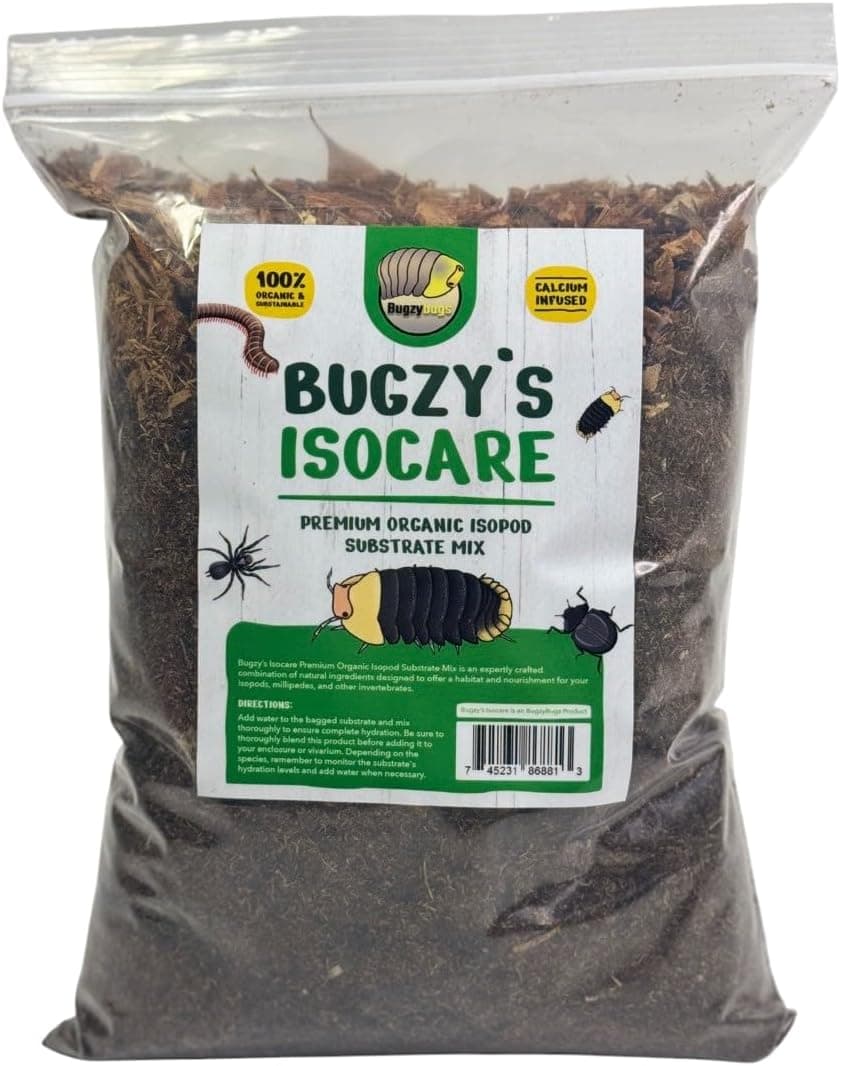
Best Bioactive Soil Mixes for Terrariums
A bioactive base must hold burrows, drain well and feed a cleanup crew. Compare texture, organic content, moisture behavior and ready mixed versus DIY.
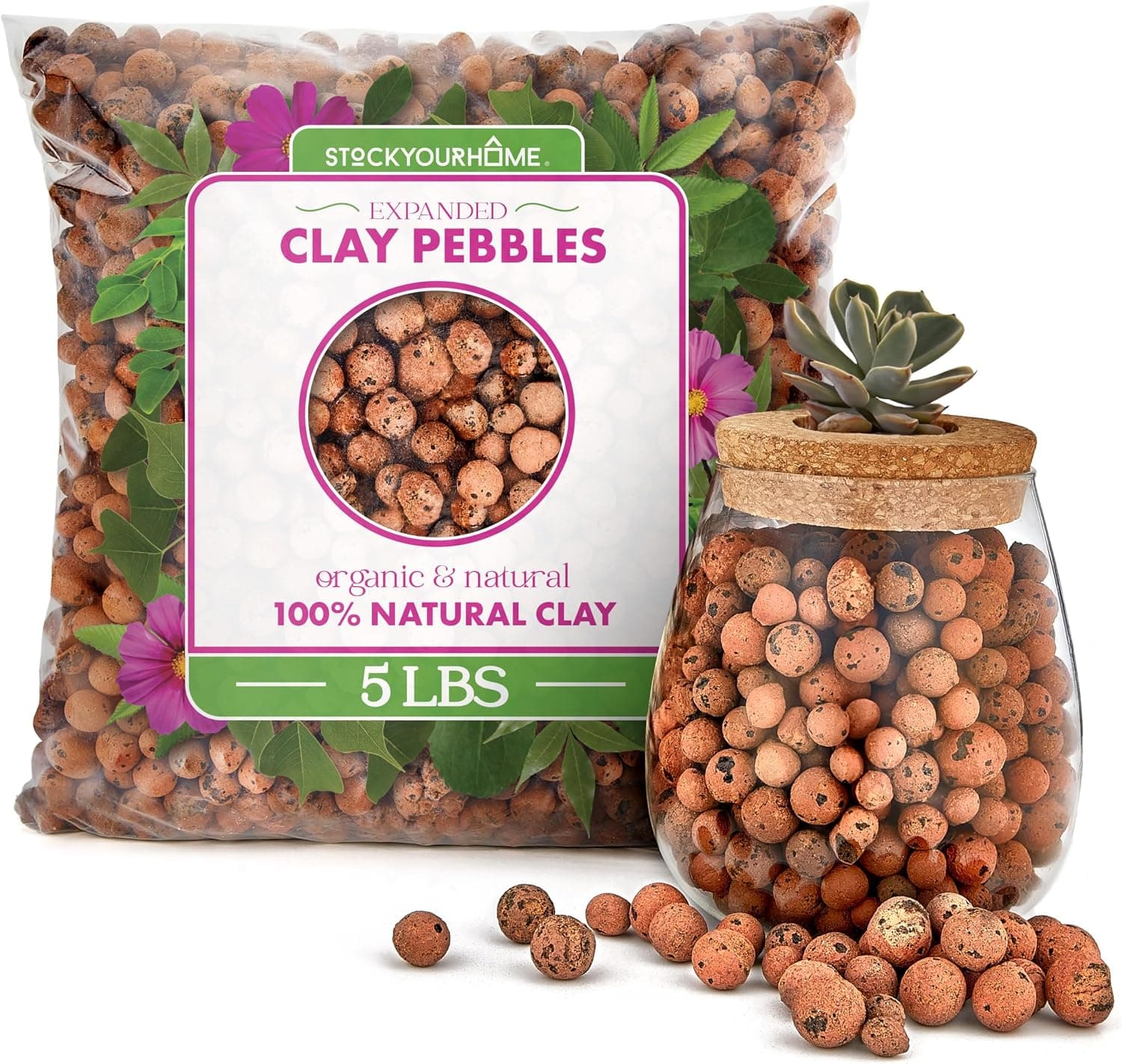
Best Drainage Layer Materials for Bioactive Builds
A drainage layer keeps soil from souring in humid builds. Compare clay balls, lava rock and false bottoms on weight, cost, water volume and longevity.
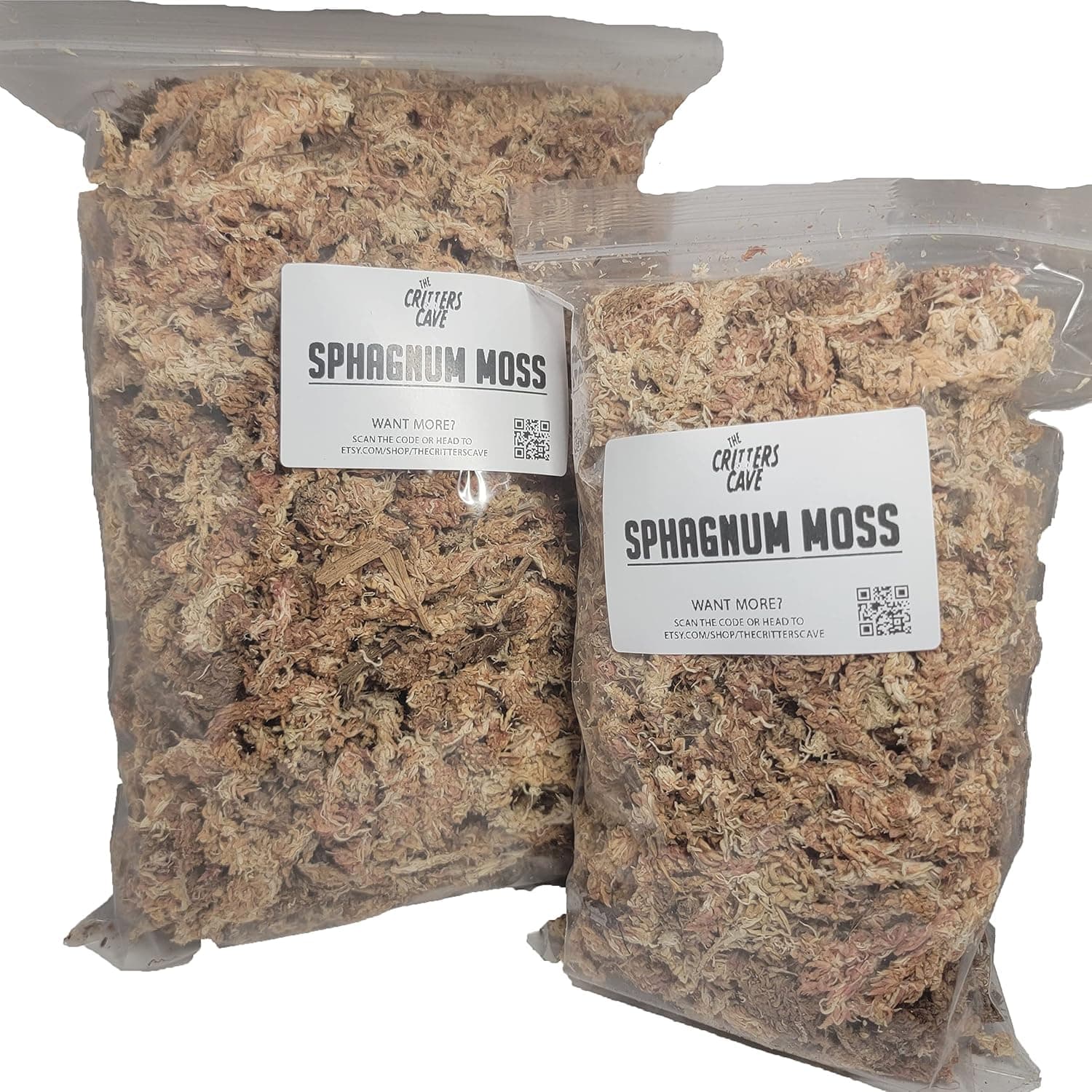
Best Sphagnum Moss for Humid Hides and Lay Boxes
Sphagnum holds many times its weight in water, ideal for humid hides and lay boxes. Compare grade, cleanliness, fiber length and value by the liter.
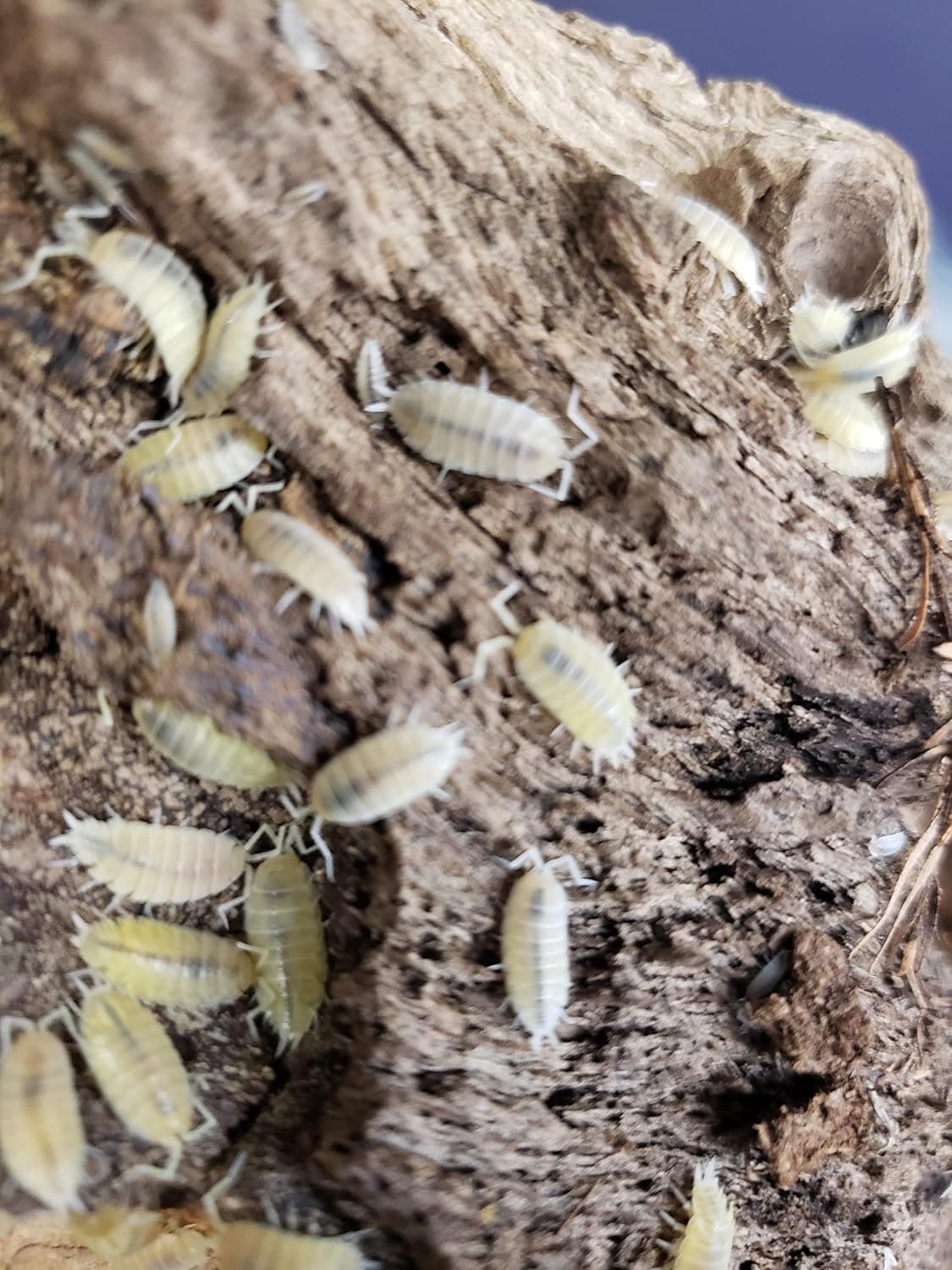
Best Springtail Cultures for Bioactive Setups
Springtails clear mold and fine waste in humid builds. Compare culture types, population density, media and how quickly each one establishes in a new build.
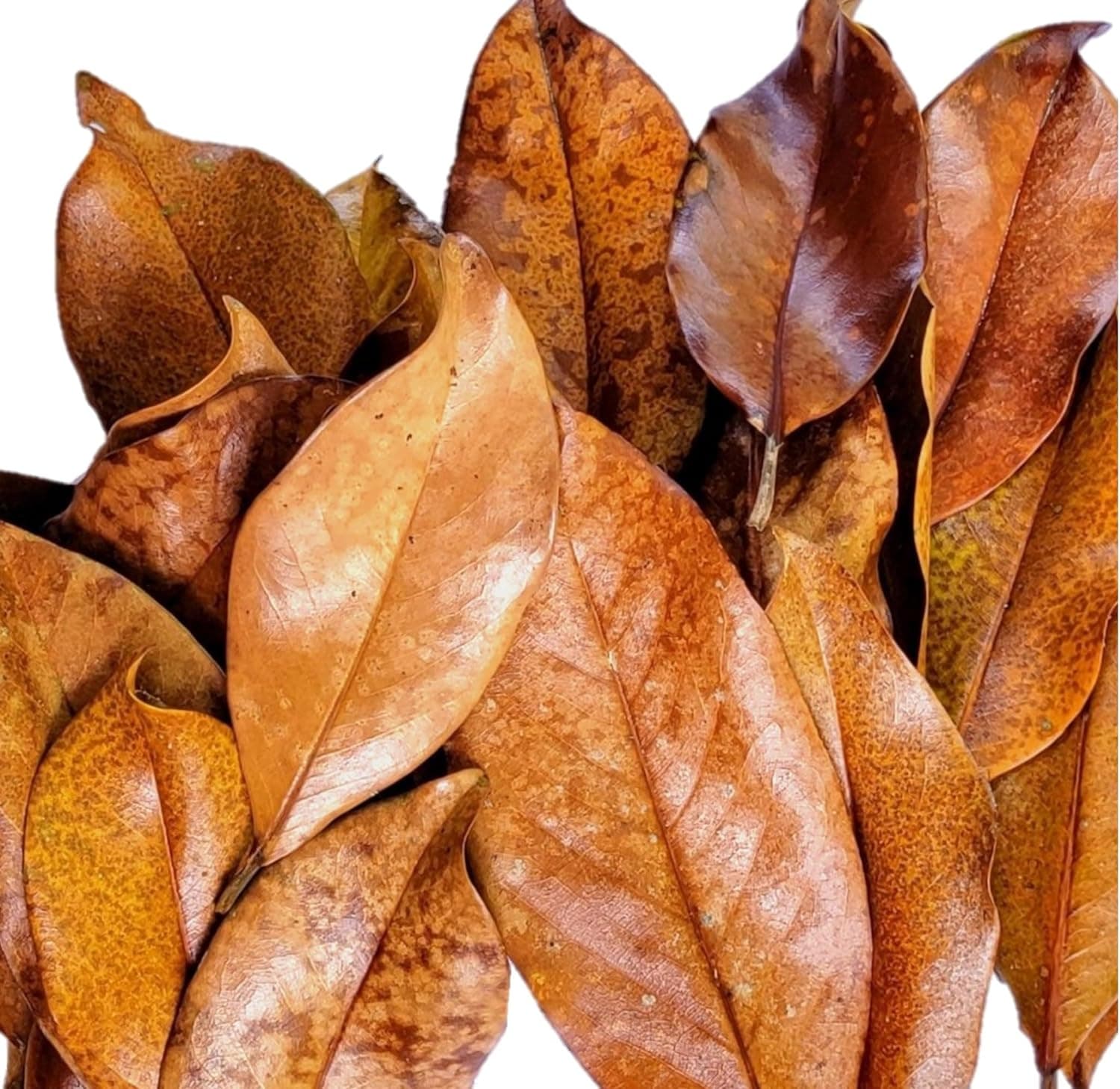
Best Leaf Litter for Bioactive Terrariums
Leaf litter feeds the cleanup crew, buffers humidity and gives cover. Compare leaf types, durability, sourcing and how much you need per enclosure.
Best Isopods for Bioactive Cleanup Crews
Isopods break down waste and keep bioactive enclosures balanced. Compare species by humidity needs, breeding speed, size and how well they suit your animal.
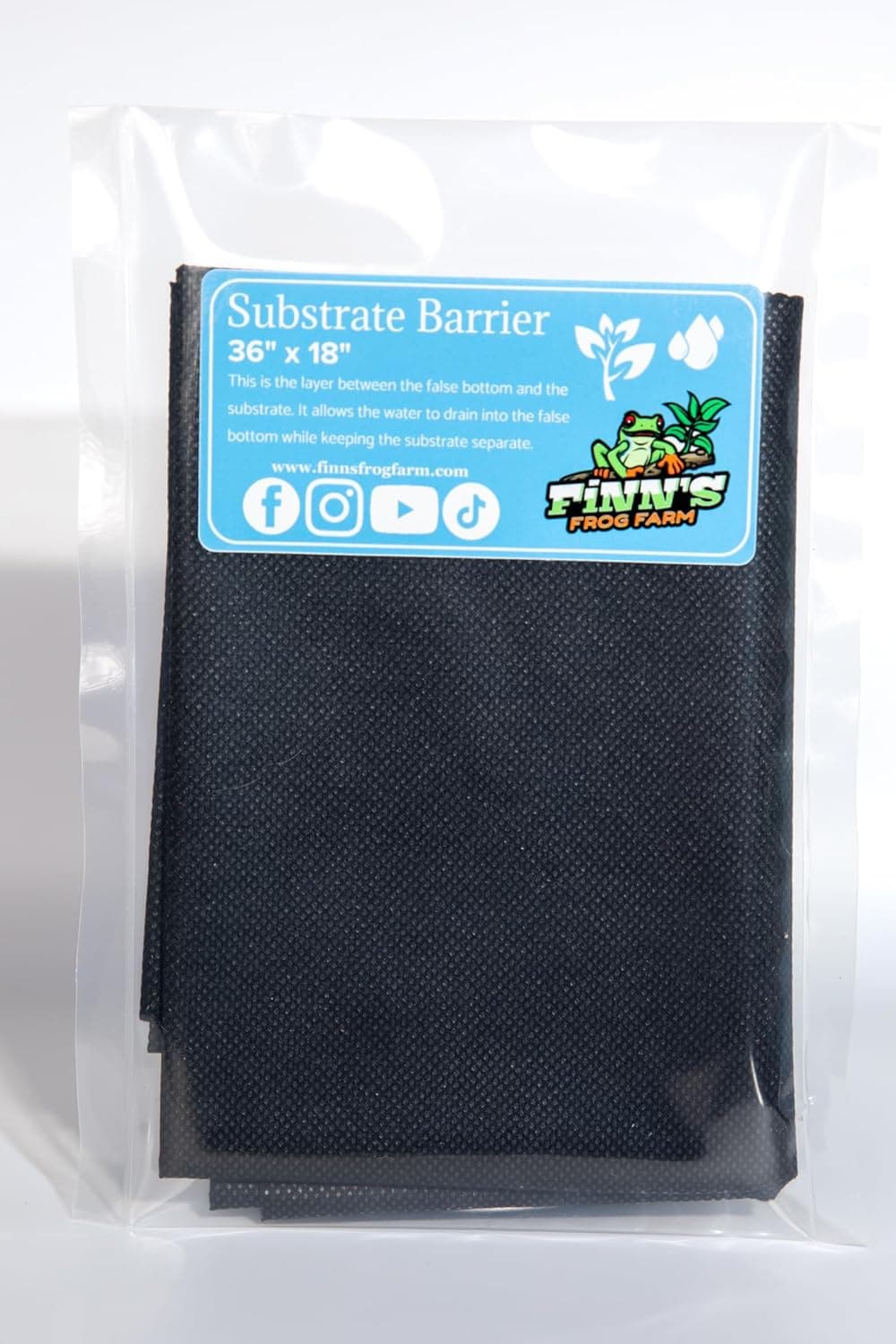
Best Substrate Barriers and Screen Mesh
A barrier keeps soil out of the drainage layer and off vents. Compare mesh size, material, stiffness and cutting ease for clean, lasting bioactive builds.
How to choose
- Match substrate to your species' humidity needs.
- Use paper towel for quarantine and sick animals.
- Choose bioactive soil with drainage for naturalistic setups.
- Avoid loose substrates that pose impaction risks for your species.
Common questions
What is a bioactive enclosure?
A setup with living soil, plants and cleanup crews such as springtails and isopods that break down waste and help maintain the environment.
How deep should reptile substrate be?
It depends on the species. Burrowing animals benefit from deep substrate, while bioactive setups often use several inches plus a drainage layer.