Ball Python Setup Walkthrough From Enclosure to First Feed
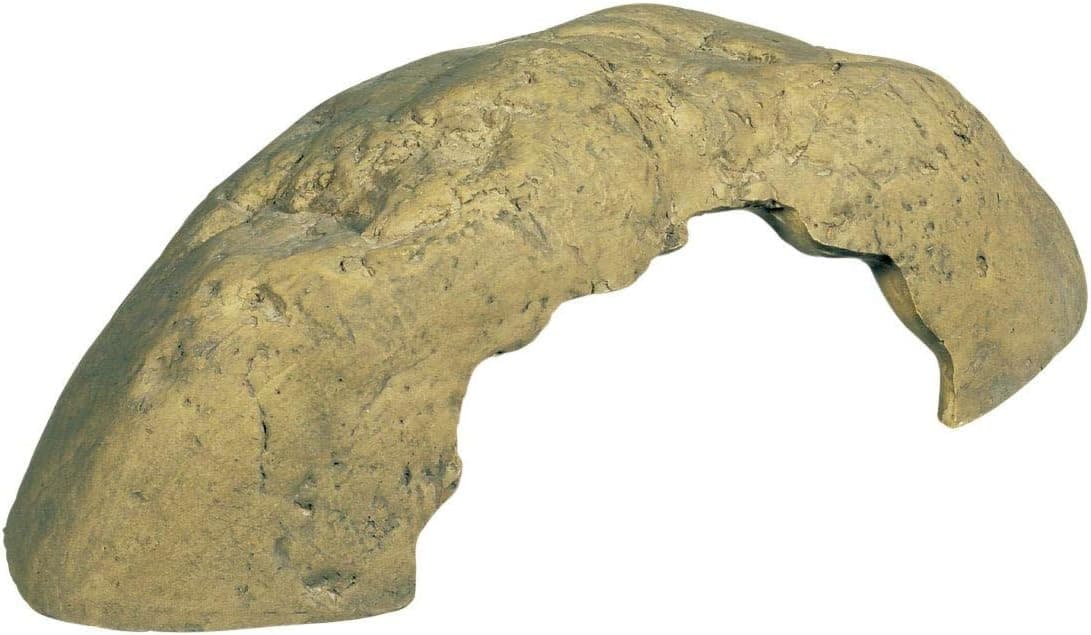
Ball pythons need a secure, escape-proof enclosure sized for the adult, with PVC or wood holding heat and humidity better than glass tanks. Provide a warm end and cooler end using a thermostat-controlled overhead heater or heat mat, verified with an infrared gun and probes. Give at least two tight-fitting hides, one at each end, plus climbing branches, since a bare enclosure creates a stressed snake prone to feeding problems. Humidity supports shedding, using moisture-retentive substrate and a humid hide with sphagnum moss. Settle a new snake for one to two weeks before offering frozen-thawed prey, and expect occasional feeding refusals during sheds or seasonal changes. Ball pythons are heavy bodied, ground dwelling snakes from West and Central Africa, and they are among the most commonly kept and most commonly misunderstood reptiles in the hobby. They are secretive animals that spend a great deal of time in burrows and tight spaces, which means security is not a nice extra but the central requirement of the setup. A ball python in a bare enclosure with one hide is a stressed animal, and stress is the root of most of the feeding problems this species is famous for.
Plan the enclosure for the adult, not the juvenile
For the enclosure, plan for the adult. An adult needs enough length to stretch out and enough floor space to establish a genuine temperature gradient, and modern keeping practice favours considerably more space than the small racks and tubs that older sources recommend. PVC and wooden vivariums hold heat and humidity much better than glass tanks with full screen tops, which is why glass setups so often struggle with dry air. Whatever you use, make it escape proof: ball pythons are strong, persistent, and very good at finding an unsecured lid or a loose vent panel.
Heating follows the standard gradient logic
Heating follows the standard gradient logic. Provide a warm end and a distinctly cooler end, using an overhead source such as a ceramic heat emitter or a radiant panel, or a regulated heat mat, always on an appropriate thermostat with the probe correctly placed. Take target figures from a current care sheet and verify with an infrared gun at the surface and digital probes at both ends. Ball pythons do not need bright basking light and are nocturnal, so avoid coloured night bulbs and use a non light emitting source if night heat is genuinely required. Low level UVB is increasingly offered by keepers and is optional rather than essential for this species, but if you provide it, ensure full shade is always available.
Hides and clutter turn the enclosure into a habitat
Hides and clutter are what turn the enclosure into a habitat this snake will actually use. Provide at least two tight fitting hides, one at each end, so the animal never has to choose between the temperature it wants and feeling secure. A good hide touches the snake on several sides. Add cork tubes, artificial or live foliage, and low branches, since ball pythons do climb when given the chance. An enclosure with plenty of cover encourages a snake to move about and explore rather than sitting motionless in one corner for weeks.
Humidity supports clean shedding and respiratory health
Humidity supports clean shedding and respiratory health, and it is the other common failure point. Use a moisture retentive substrate such as coconut fibre, cypress mulch, or a soil mix, keep a decent sized water bowl the snake can soak in, and cover part of a screen top if the enclosure dries out too fast. Add a humid hide with damp sphagnum moss, which gives the snake a moisture refuge and helps sheds come off in one piece. Aim for the range in the species care sheet, avoid a permanently soaking wet substrate, and keep ventilation adequate.
Settling and feeding require patience above all
Settling and feeding require patience above all. Leave a new snake alone for one to two weeks, then offer an appropriately sized whole prey item, using frozen thawed prey warmed properly rather than live prey, which can injure a snake that does not strike. Feed on a schedule suited to the animal's age and size, weigh regularly, and expect food refusals during shedding, seasonal changes, and after any disturbance. A ball python in good body condition that skips meals is usually not in trouble. Prolonged refusal with weight loss, wheezing or open mouth breathing, or repeated stuck sheds are reasons to check husbandry thoroughly and then consult a reptile experienced veterinarian.
Frequently asked questions
Why do ball pythons need multiple hides? Providing at least two tight-fitting hides, one at each end of the temperature gradient, means the snake never has to choose between its preferred temperature and feeling secure, which reduces stress-related feeding problems.
Is glass or PVC better for a ball python enclosure? PVC and wooden vivariums hold heat and humidity much better than glass tanks with full screen tops, which is why glass setups often struggle with dry air for this species.
Should I feed a ball python live or frozen-thawed prey? Frozen-thawed prey warmed properly, rather than live prey, which can injure a snake that does not strike, especially during the settling-in period.
Is it normal for a ball python to refuse food? Yes, food refusals during shedding, seasonal changes, and after disturbance are common, and a snake in good body condition that skips meals is usually not in trouble.
Quick answers
What does a ball python enclosure need?
At least a 4 x 2 x 2 ft enclosure for an adult, a warm side and cool side controlled by a thermostat, two hides, a water bowl, humidity-holding substrate and secure locks.