Gut Loading Feeder Insects the Right Way
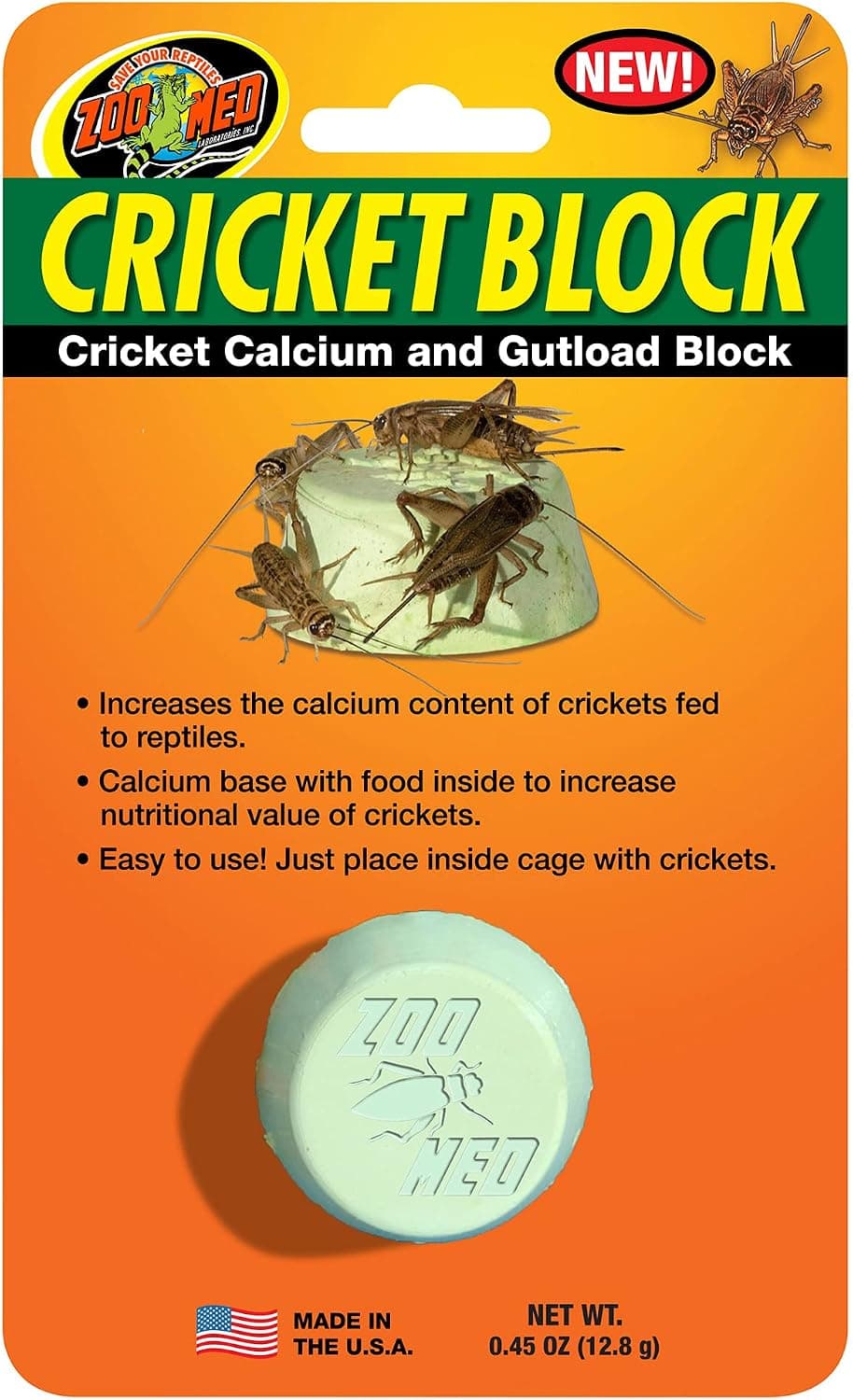
Gut loading feeds insects a nutritious diet before offering them so the meal itself improves from the inside, distinct from dusting which coats the outside with supplement powder; most keepers do both. Feed insects well for a day or two before offering them, since gut content passes through quickly. Use dark leafy greens, squash, and commercial gut load formulas, avoiding pet food. Calcium is the specific problem gut loading helps but doesn't fully solve, which is why dusting remains standard. Keep feeders alive with proper ventilation and moisture, never feed wild-caught insects or fireflies, and match insect size to the animal. Gut loading means feeding your feeder insects a nutritious diet before offering them to your animal, so the insect itself becomes a better meal. It is distinct from dusting, which coats the outside of the insect with supplement powder. Dusting delivers a burst of calcium and vitamins that can be shaken off or groomed away, while gut loading improves the nutritional content of the insect from the inside. Most keepers do both, and the combination is more reliable than either alone. An insect kept for weeks on nothing but cardboard and a slice of potato is close to empty nutritionally, no matter what you dust it with.
The timing window matters
The timing window matters. The material in an insect's gut passes through, so feeding it well a month ago does nothing for the meal tonight. The usual practice is to provide a high quality gut load for roughly a day or two before feeding out, keeping the insects well fed continuously so that any given batch is always in good condition. Feed the insects a fresh portion, let them eat, then offer them to your animal within that window. Insects that have been starving in a tub for a week are a poor meal even if you dust them heavily.
What to feed your feeder insects
What to feed depends partly on the supplement routine you are running. Common gut load ingredients include dark leafy greens such as collard and mustard greens, squash, carrot, sweet potato, and small amounts of fruit for moisture, alongside dry components such as whole grains or a commercial gut load formula. Commercial gut loads sold for the purpose are convenient and formulated for the job, and many keepers use one as a base and add fresh vegetables on top. Avoid relying on dog or cat food, which is high in protein and fat and not designed for this use, and avoid feeding insects anything mouldy or spoiled.
Calcium is the specific nutritional problem
Calcium is the specific nutritional problem gut loading tries to help with. Most feeder insects naturally contain far more phosphorus than calcium, an unfavourable ratio for a reptile that needs calcium for bone. Feeding the insects calcium rich foods improves that ratio somewhat, but gut loading alone is generally not considered sufficient to correct it, which is why calcium dusting remains standard practice for most insectivorous species. Treat gut loading and dusting as two parts of one system rather than as alternatives.
Keeping feeders alive and healthy
Keeping feeders alive and healthy is half the battle. Crickets need ventilation, dry conditions, and enough surface area such as egg crate to avoid crowding, and they die quickly when kept damp or overcrowded. Dubia roaches and other roach species are generally easier, quieter, and longer lived, and they do not smell the way crickets do. Provide moisture through a water gel or fresh vegetables rather than an open dish the insects will drown in. Remove dead insects promptly, since a die off can cascade. Keep the feeder container away from the animal enclosure and clean it regularly.
A few practical cautions
A few practical cautions round this out. Do not feed wild caught insects, since they may carry pesticides, parasites, or be an unsuitable species. Fireflies in particular are toxic to reptiles and must never be offered. Match insect size to the animal, using the common guidance that a feeder should not be wider than the space between the animal's eyes for many lizards, and remove uneaten insects after feeding rather than leaving them in the enclosure overnight. If your animal shows signs of a nutritional problem such as tremors, weakness, or bone deformity, that needs assessment by a reptile experienced veterinarian, since diet correction alone may not be enough once symptoms appear.
Frequently asked questions
What is the difference between gut loading and dusting feeder insects? Dusting coats the outside of the insect with supplement powder that can be shaken off, while gut loading improves the insect's nutritional content from the inside by feeding it well before offering it.
How long before feeding should I gut load insects? Roughly a day or two, keeping insects continuously well fed so any given batch is always in good nutritional condition when offered.
Is gut loading enough to fix the calcium problem in feeder insects? No. Most feeder insects naturally have far more phosphorus than calcium, and gut loading alone is generally not sufficient to correct that ratio, which is why calcium dusting remains standard practice.
Can I feed wild-caught insects to my reptile? No, avoid wild-caught insects since they may carry pesticides or parasites, and never offer fireflies, which are toxic to reptiles.