Bearded Dragon Setup Walkthrough With Lighting Done Right
Adult bearded dragons need a large enclosure with substantial floor area, housed alone since they are territorial. Lighting is the most demanding part: a bright halogen basking source over a platform paired with a linear T5 UVB tube positioned at the manufacturer's specified distance, replaced on schedule since output fades invisibly. Follow standard gradient rules for temperature with a hot basking end and cooler end. Use a soil-sand mix or tile substrate, avoiding calcium sand, plus climbing furniture. Diet shifts with age: juveniles eat mostly insects, adults mostly leafy greens, and continuing a juvenile schedule into adulthood is a leading cause of obesity. Bearded dragons are diurnal, open habitat lizards from arid Australia, and they need more equipment and more space than almost any other beginner reptile. They bask under strong light, they need real UVB, they grow to a substantial adult size, and they eat a diet that shifts significantly from juvenile to adult. None of this is difficult, but it is not cheap, and the most common welfare problems in the species come from setups that were sized and lit for a small juvenile and never upgraded.
Space is the first requirement
Space is the first requirement. An adult bearded dragon needs a large enclosure with substantial floor area, and modern guidance in most keeping communities calls for considerably more than the standard tank sizes sold as complete kits. Length matters because the animal needs to move between a hot basking site and a genuinely cool end, and short enclosures cannot deliver that separation. Height is useful for basking platforms but is secondary to floor area. Adults must be housed alone, since bearded dragons are territorial and cohabitation regularly leads to bullying, injury, and one animal being outcompeted for basking space.
Lighting is where this species is most demanding
Lighting is where this species is most demanding, and the basking site and UVB have to be planned together. Provide a bright overhead basking source, typically a halogen flood, over a raised platform or flat rock at one end, on a dimming thermostat, and measure the surface temperature with an infrared gun rather than estimating. Alongside it, install a linear T5 UVB tube with a reflector, running across a meaningful portion of the enclosure so the animal gets a gradient of UV exposure. Position it at the distance the manufacturer specifies for the intended UV index at basking height, remembering that mesh cuts output significantly and that glass blocks UVB entirely. Write the installation date on the tube and replace it on schedule, since output fades invisibly.
Temperatures follow the usual gradient rules
Temperatures follow the usual gradient rules: a hot basking surface at one end, a distinctly cooler end, and a night drop as the species care sheet specifies. Most homes need no night heat at all. Verify with digital probes at both ends and spot checks with the infrared gun, and recheck seasonally as room temperature changes.
Substrate and furnishing for a dry, active enclosure
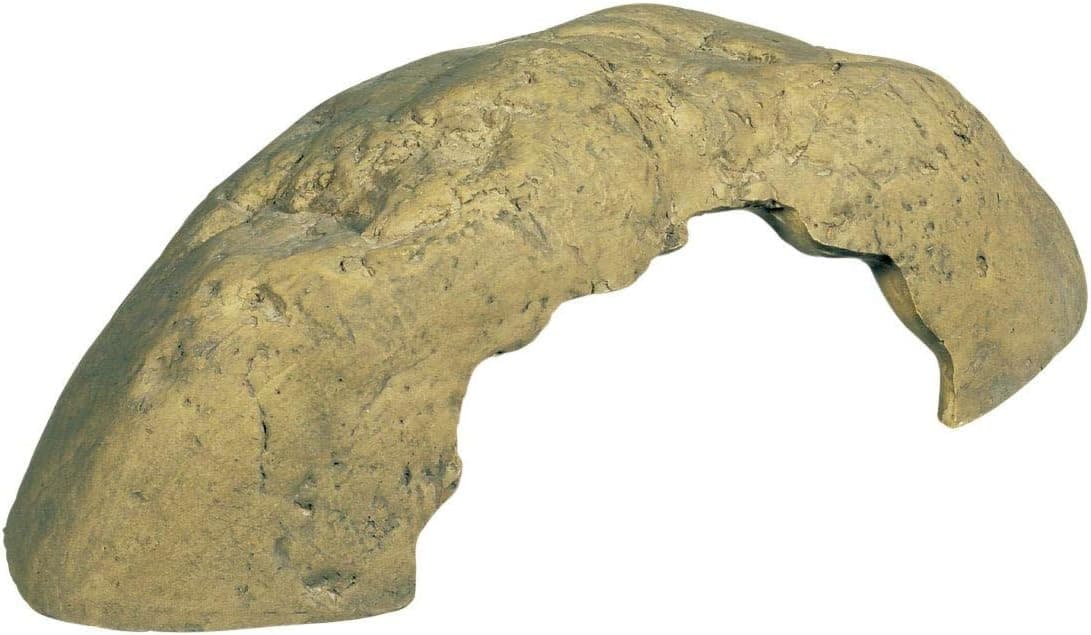
For substrate and furnishing, keep the enclosure dry and give the animal things to do. A soil and sand mix supports digging and is used widely by experienced keepers, while tile and other solid surfaces are easy to clean and perfectly acceptable, particularly for juveniles. Avoid calcium sand and crushed walnut shell. Provide a hide at the cool end, a basking platform at the warm end, plus rocks, logs, and branches for climbing and for wearing nails naturally. A shallow water dish should be available even though many dragons drink little from standing water.
Diet changes with age and trips up many keepers
Diet changes with age and this trips up many keepers. Juveniles eat a large proportion of appropriately sized insects with a smaller share of greens, while adults reverse that balance and should eat mostly leafy greens and vegetables with insects offered less frequently. Continuing a juvenile insect schedule into adulthood is a leading cause of obesity in this species. Gut load feeders, dust with calcium and a multivitamin on a schedule matched to your UVB setup, and avoid feeding on loose substrate. Weigh regularly, watch body condition, and take signs such as tremors, weakness, jaw softness, persistent food refusal, or a dragon that cannot lift itself normally straight to a reptile experienced veterinarian.
Frequently asked questions
Can bearded dragons be housed together? No, adults should be housed alone since bearded dragons are territorial and cohabitation regularly leads to bullying, injury, and one animal being outcompeted for basking space.
What UVB setup do bearded dragons need? A linear T5 UVB tube with a reflector running across a meaningful portion of the enclosure, positioned at the manufacturer-specified distance for the intended UV index, replaced on schedule since output fades invisibly.
How does a bearded dragon's diet change as it grows? Juveniles eat a large proportion of insects with fewer greens, while adults reverse that balance to eat mostly leafy greens and vegetables, with insects offered less frequently to avoid obesity.
What substrate is safe for bearded dragons? A soil and sand mix supports digging, while tile and other solid surfaces are easy to clean and acceptable, especially for juveniles. Avoid calcium sand and crushed walnut shell.
Quick answers
What lighting does a bearded dragon need?
A basking heat bulb creating a hot spot at one end, and a linear UVB tube running most of the enclosure length, on a 12 to 14 hour day cycle. Replace UVB bulbs as the manufacturer recommends.