A Cleaning and Spot Cleaning Routine You Will Actually Keep
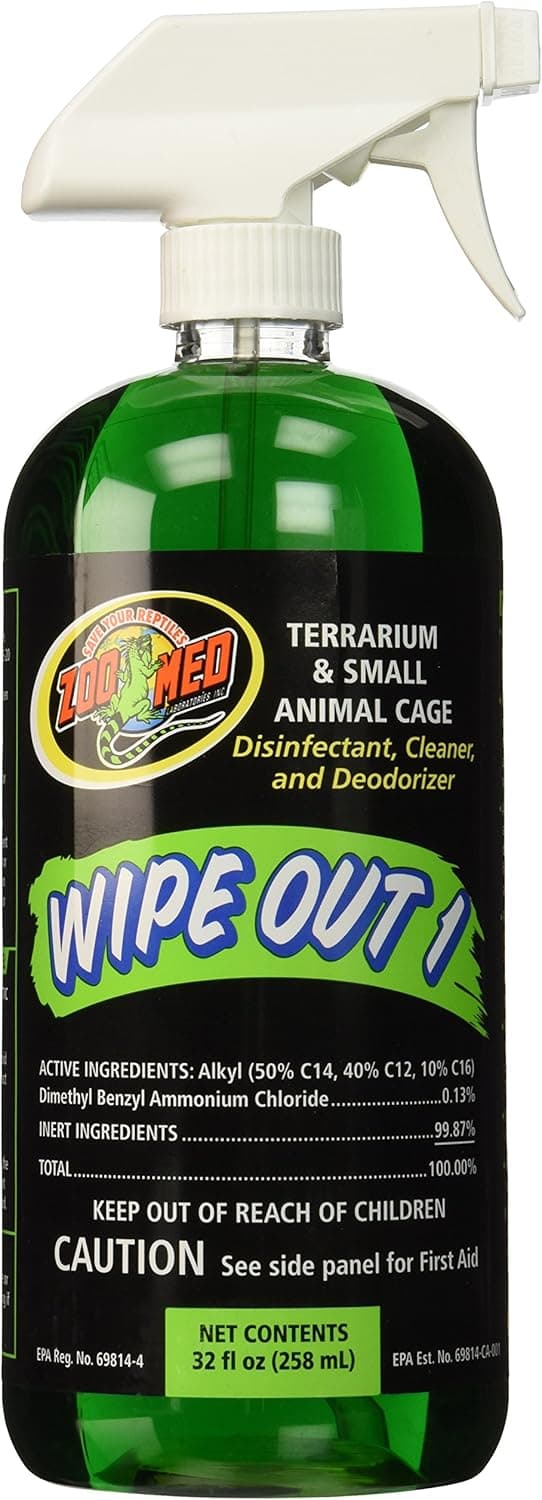
Terrarium hygiene works best as a small daily habit rather than an occasional deep clean. Waste left in an enclosure raises ammonia, encourages bacterial growth, attracts pest insects, and makes the whole habitat smell, whereas the same waste removed within a day is a thirty second job. The routine below is deliberately light, because a routine you follow every day beats a thorough one you follow every third week.
Daily tasks are short. Remove droppings, urates, shed skin, and any uneaten food, taking a small scoop of substrate along with anything wet. Wash and refill the water dish with fresh water, since biofilm builds up quickly in warm humid conditions and a slimy dish is a genuine hygiene problem. Glance at the thermometers and hygrometer while you are there, and take a moment to look at the animal properly: alertness, body condition, and whether it is using the enclosure normally. Wipe any obvious smears from the glass so you can keep seeing in.
Weekly, go a little deeper. Scrub the water dish rather than rinsing it, clean the inside of the glass, and check that decor is still stable and that the thermostat probe has not been buried or dislodged. Refresh damp moss in a humid hide, since it goes stale and can grow mould. Top up substrate where spot cleaning has thinned it. In a bioactive enclosure, this is when you add fresh leaf litter and check that the drainage layer is not filling up. Note anything unusual in your record: a skipped meal, a strange posture, a shed that came off in pieces.
The monthly or periodic deep clean depends heavily on your setup. In a traditional enclosure with loose substrate, plan a full substrate change on a schedule appropriate to the species and the waste volume, and use the opportunity to remove everything, wash decor, and clean the enclosure surfaces properly. In a bioactive enclosure you generally do not do this at all, because tearing it down destroys the biological system you have built. Instead you spot clean more attentively, keep the leaf litter topped up, and let the crew handle the rest.
Use the right products. Reptile safe disinfectants sold for the purpose, or a dilute bleach solution rinsed thoroughly and allowed to dry completely, are standard for non bioactive cleaning. Never use phenol based cleaners, which are toxic to reptiles, and be extremely cautious with any scented household product. Amphibians are more sensitive again, since they absorb through their skin, so their enclosures and any items placed in them should be cleaned with plain hot water or an amphibian safe product and rinsed exhaustively. Whatever you use, rinse until you cannot smell it, then rinse once more.
Finally, protect yourself as well as the animal. Reptiles and amphibians can carry salmonella and other organisms without appearing unwell, so wash your hands thoroughly after any contact with the animal, the enclosure, or the equipment. Keep terrarium equipment, sponges, and buckets separate from kitchen items, and do not clean enclosure furnishings in a sink used for food preparation. Households with very young children, elderly members, pregnant people, or anyone immunocompromised should be particularly careful about this. For guidance specific to your household or if anyone becomes unwell, speak to a doctor, and for questions about the animal's health speak to a reptile experienced veterinarian.