How to Handle Mould in a Bioactive Terrarium
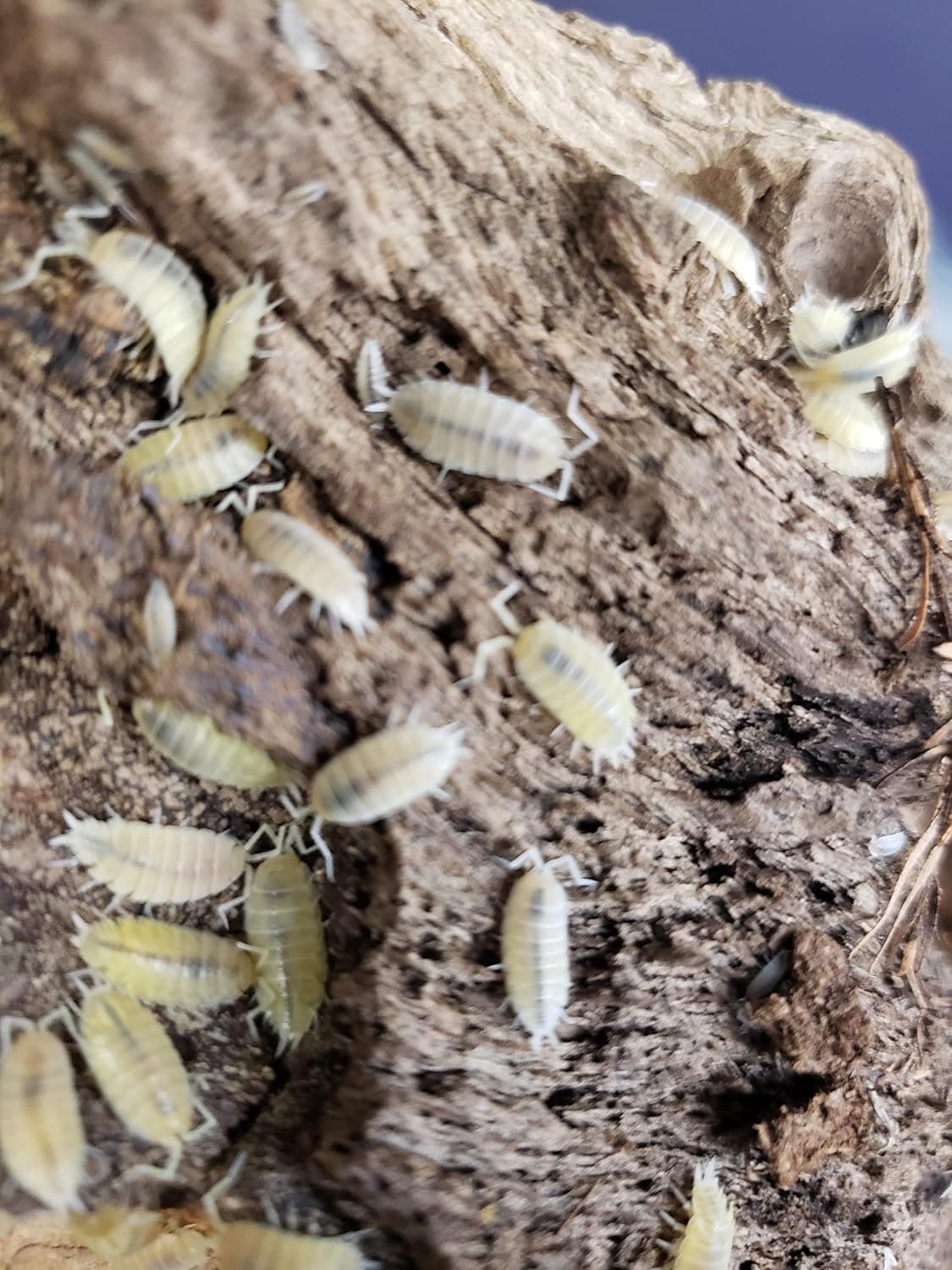
New bioactive terrariums often develop white fuzzy mould on cork bark, branches, leaf litter and substrate within the first few weeks. It can be alarming to see, but short-lived mould blooms are a common part of an enclosure establishing its ecosystem. Persistent, spreading mould, however, usually signals too much moisture, poor airflow or a weak cleanup crew. Knowing the difference helps you respond appropriately.
Why mould appears in new setups
Fresh wood, leaf litter and organic substrate contain nutrients that mould quickly colonises. In humid enclosures without an established community of microorganisms and invertebrates, mould spreads rapidly.
As springtails, isopods and beneficial microbes become established, they consume mould and decaying material. Many bioactive keepers find that blooms fade within a few weeks.
Normal mould blooms
White, fuzzy mould on new wood or around food scraps that disappears within days or weeks is often a normal bloom. It usually does not cover large areas continuously or return repeatedly in the same spots.
Monitor blooms but avoid making drastic changes immediately. Spot remove heavy growth near the animal's hides or feeding areas.
Signs of a problem
Mould that covers large areas, spreads continuously, appears in unusual colours or smells musty suggests conditions are too wet or stagnant. Standing water, soggy substrate and constant condensation contribute.
Watch your animal's health and behaviour. If you notice skin issues, respiratory signs or unusual behaviour, consult a reptile veterinarian.
Reduce moisture and improve airflow
Check that the drainage layer is working and substrate is not waterlogged. Reduce misting and allow surfaces to dry between sessions.
Increase ventilation with screen areas or small terrarium fans. Good airflow reduces stagnant, humid pockets where mould thrives.
Strengthen the cleanup crew
Springtails eat mould and small debris, while isopods break down larger organic material. Adding more springtails can speed up mould control in new setups.
Provide leaf litter and hiding places for cleanup crews. Avoid pesticides and harsh cleaners that harm beneficial organisms.
Remove food and waste
Uneaten insects, fruit and animal waste feed mould. Remove leftovers and spot clean regularly.
Wash feeding dishes and replace water often. Good hygiene supports a healthy bioactive balance.