How to Prevent and Help With Stuck Shed in Reptiles
Healthy reptiles shed their skin regularly, and most species should shed in one piece or in large, clean patches, depending on the species. Retained shed, often called stuck shed, commonly appears on toes, tail tips and around the eyes. Left untreated, stuck shed on toes and tails can tighten and restrict blood flow. Most cases are linked to habitat conditions, so fixing husbandry prevents repeat problems.
Why shed gets stuck
Reptiles need appropriate humidity during shedding so the old skin loosens and separates easily from the new layer beneath. When humidity is too low for the species, especially during the days before a shed, the skin dries and clings in patches.
Dehydration, lack of rough surfaces to rub against, poor nutrition, illness and parasites can also cause shedding problems. Winter heating often dries room air, which is why stuck shed becomes more common in colder months.
Check humidity levels
Measure humidity with a digital hygrometer at animal level and compare it with care guidelines for your specific species. Desert species such as leopard geckos still need a humid microclimate, even though the main enclosure stays relatively dry.
Tropical species like crested geckos and ball pythons generally need higher overall humidity. Adjust misting, substrate moisture and ventilation to maintain a suitable range rather than soaking the whole enclosure.
Provide a humid hide
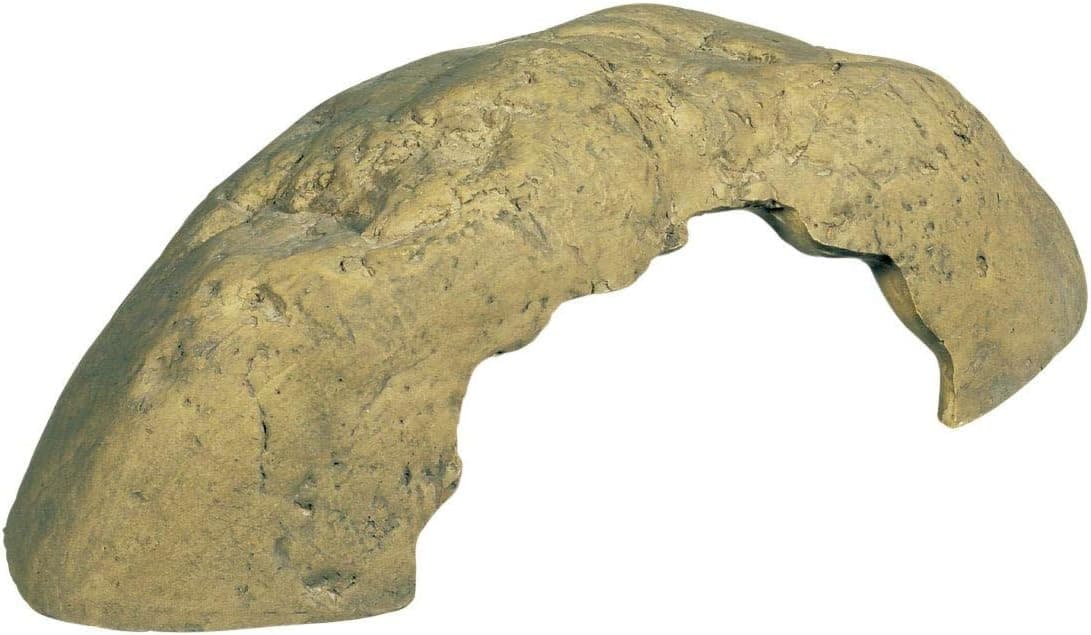
A humid hide is an enclosed shelter filled with damp sphagnum moss or moist substrate. It gives reptiles a place with higher humidity where they can soften skin before and during a shed, while the rest of the enclosure stays at normal levels.
Place the humid hide on the warm side or middle of the enclosure, depending on the species, and keep the moss damp but not dripping. Replace it regularly to prevent mould.
Offer rough surfaces
Reptiles rub against rocks, bark and branches to loosen and remove old skin. Enclosures with only smooth surfaces make shedding harder.
Add cork bark, textured hides and climbing branches suited to your species. Check that surfaces are safe and stable.
Help with stuck shed safely
For minor stuck shed, a shallow soak in lukewarm water or placing the reptile in a humid container with damp paper towels for a short, supervised time can loosen skin. Follow species-specific guidance and never leave reptiles unattended in water.
Gently roll loosened skin off with a damp cotton swab. Never pull dry skin forcefully, especially around eyes.
When to see a vet
Stuck shed around the eyes, constriction on toes or tails, frequent bad sheds or signs of illness require a reptile veterinarian. Retained eye caps can cause serious problems if not handled properly.
Repeated shedding issues may indicate underlying health problems. A vet can check hydration, nutrition and parasites.