Signs a Habitat Is Not Working and How to Diagnose Them
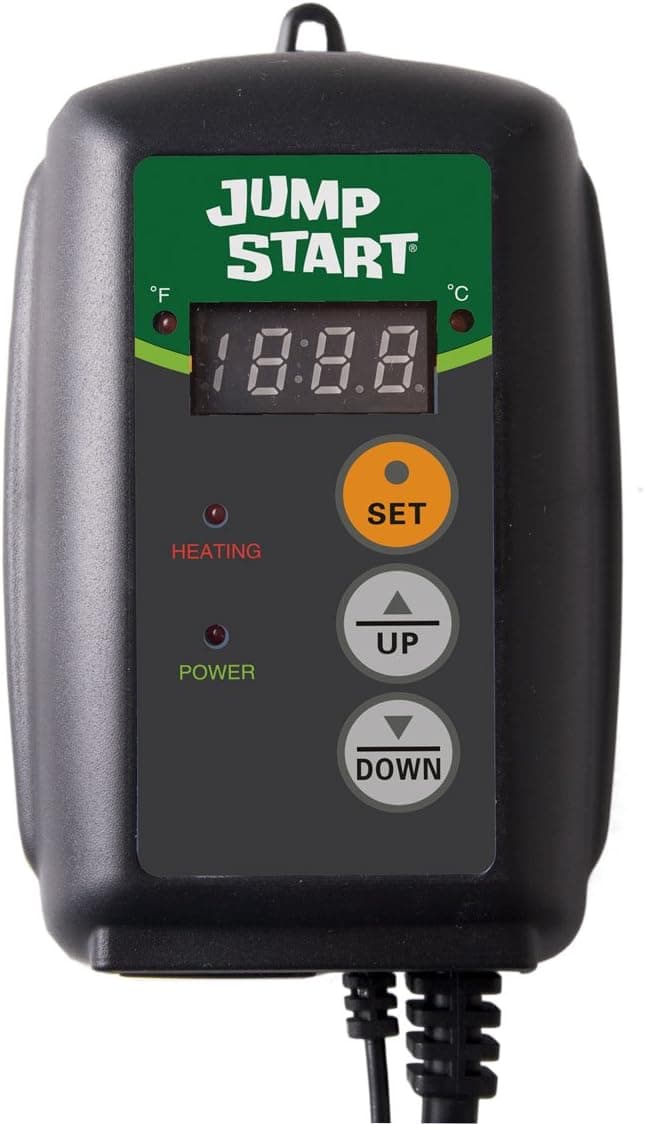
Most husbandry problems announce themselves through behaviour long before they become health problems, and learning to read those signals is one of the most valuable skills a keeper can develop. The animal is continuously responding to its environment, so persistent unusual behaviour is information. The approach that works is to treat behaviour as a prompt to go and check your instruments, then to change one variable at a time, rather than to make three adjustments at once and lose track of which one helped.
Glass surfing, meaning repetitive pacing along the front or corners of the enclosure with the nose against the glass, is the classic signal that something is unsatisfactory. It commonly points to an enclosure that is too small, too bare, or too warm, to insufficient hides, or to a location with too much foot traffic and disturbance. Check the cool end temperature first, then count the hides and consider how much visual cover the animal actually has. Adding clutter and a second or third hide resolves a surprising proportion of these cases, because an animal without cover never fully settles.
An animal that hides constantly and never emerges is telling you something different, though it needs care to interpret. A newly arrived animal hiding for its first week or two is normal. A settled animal that suddenly stops emerging may be too cold to be active, may have lost a preferred basking option, or may be responding to a new disturbance such as a new pet in the room. Persistent soaking in the water bowl often points to humidity that is too low or, in some cases, to mites, and it is worth investigating rather than accepting as a quirk.
Physical signs are often environmental in origin. Stuck shed on toes, tail tips, and around the eyes usually indicates humidity that is too low or the absence of a humid hide. Shed coming off in many small pieces rather than in one or a few large sections points the same way. A distended belly and lethargy after eating may indicate temperatures too low for digestion. Weight loss over successive weighings is always worth investigating properly. Persistent lack of appetite outside the normal seasonal and shedding patterns for the species deserves attention.
Some signs need a vet rather than a husbandry adjustment, and it is important not to spend weeks tweaking a thermostat while one of these progresses. Open mouth breathing, wheezing, clicking sounds when breathing, bubbles or discharge from the nose or mouth, and holding the head elevated are all associated with respiratory problems. Tremors, twitching, jaw or limb softness, and difficulty lifting the body are associated with metabolic bone problems. Sudden collapse, prolonged failure to pass droppings, visible injury, burns, or bleeding all warrant prompt professional attention. In these cases contact a reptile experienced veterinarian rather than attempting to interpret the symptom yourself.
The practical method for everything else is systematic. Verify your instruments first, because a failed thermostat probe or a drifted hygrometer produces convincing but false readings, and cross check with an independent thermometer and an infrared gun. Compare current readings against the species targets from a reliable care sheet. Review what changed recently: a new bulb, a rearranged enclosure, a seasonal shift in room temperature, a change in feeding routine. Then adjust one thing, wait several days, and observe. A written log turns this from guesswork into a process, and it is the single habit that most reliably separates keepers who solve problems from keepers who keep having them.