How to Stop Condensation on Terrarium Glass
A little condensation after misting is normal in humid enclosures, but glass that stays fogged all day hides your animal and often means air inside the terrarium is stagnant. Constantly wet surfaces encourage mould and bacterial growth, and some species develop skin problems when conditions stay too damp without airflow. The goal is not to remove humidity, but to balance moisture, ventilation and temperature for your species.
Why terrarium glass fogs
Condensation forms when warm, humid air inside the enclosure meets a cooler surface, usually the front glass. The bigger the temperature difference between the inside of the terrarium and the room, the more water condenses.
Heavy misting, large water dishes, wet substrate and poor ventilation all add moisture that has nowhere to go. In autumn and winter, cooler rooms make the glass colder and condensation noticeably worse.
Check humidity against your species' needs
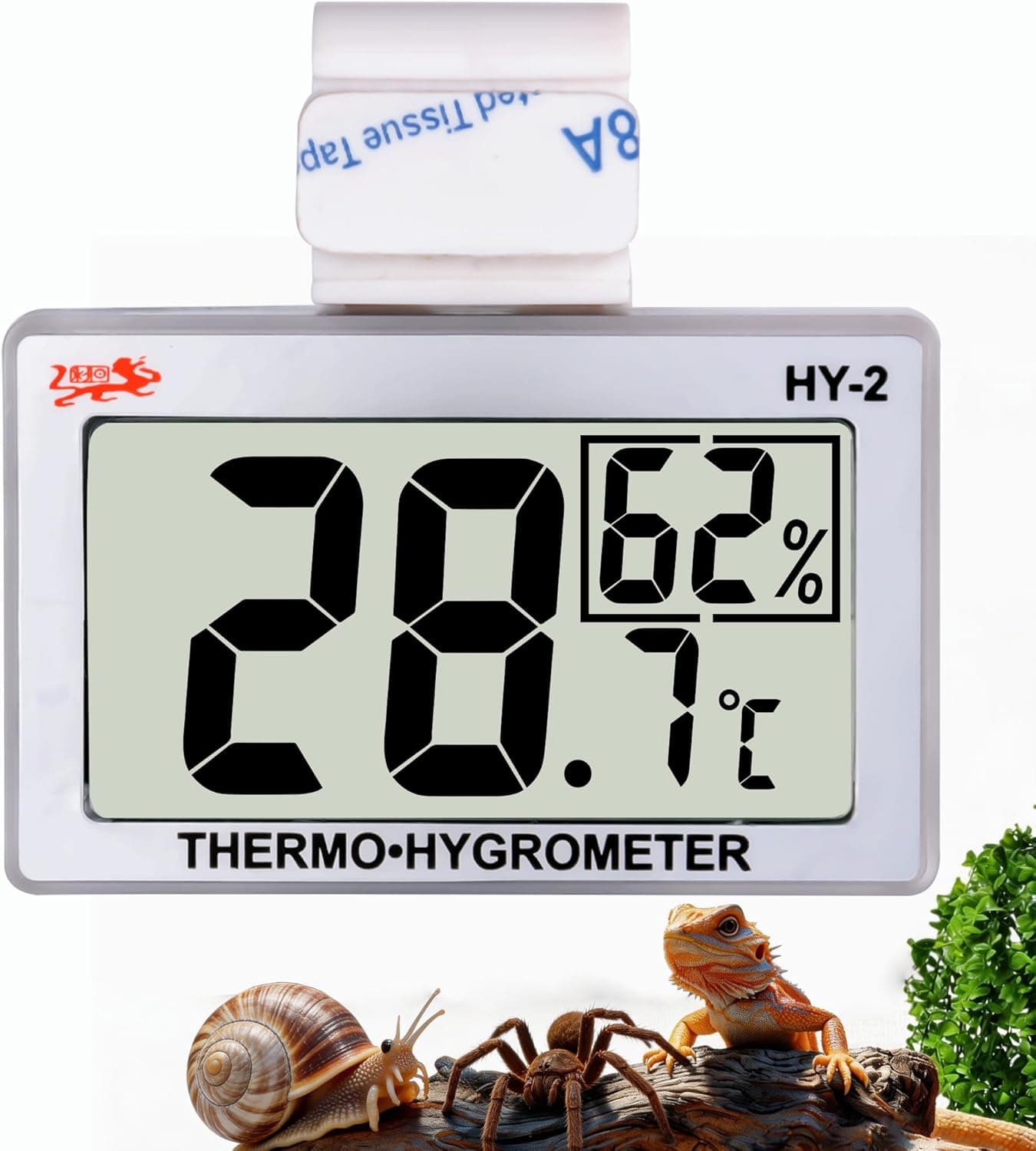
Use a reliable digital hygrometer placed at animal level rather than guessing from how the glass looks. Tropical species such as crested geckos need higher humidity than desert species, but even humid setups usually benefit from periods where surfaces dry slightly.
If humidity is higher than your species needs, reduce misting frequency or volume first. Research care guidelines for your specific animal, since requirements vary widely.
Improve ventilation
Air exchange lets moist air escape and brings in fresher, drier room air. Screen tops, mesh vents and front vents create airflow, especially when vents are placed low and high so warm air rises and exits.
If a glass or plastic cover is used to hold humidity over a screen lid, uncover a small section. Small computer fans designed for terrariums can gently increase air movement in bioactive and high-humidity setups.
Adjust misting habits
Mist enough to meet humidity needs and allow the enclosure to dry partially between sessions. Misting systems on timers give consistent results but should be adjusted seasonally.
Mist in the evening or morning rather than repeatedly throughout the day, depending on species. Use distilled or reverse osmosis water to reduce mineral spots on glass.
Balance room and enclosure temperatures
A cold room increases condensation on glass. Keeping the room slightly warmer or insulating the sides and back of the enclosure reduces the temperature difference.
Always use thermostats with heat sources and monitor temperatures at different points in the enclosure. Avoid overheating while trying to reduce condensation.
Clean glass safely
Wipe glass with a clean cloth and reptile-safe cleaner or plain water. Avoid household glass cleaners containing ammonia or strong chemicals.
Mineral buildup can be removed with diluted vinegar, followed by a thorough rinse. Clean glass regularly to observe your animal clearly.