Why Every Heat Source in a Terrarium Needs a Thermostat
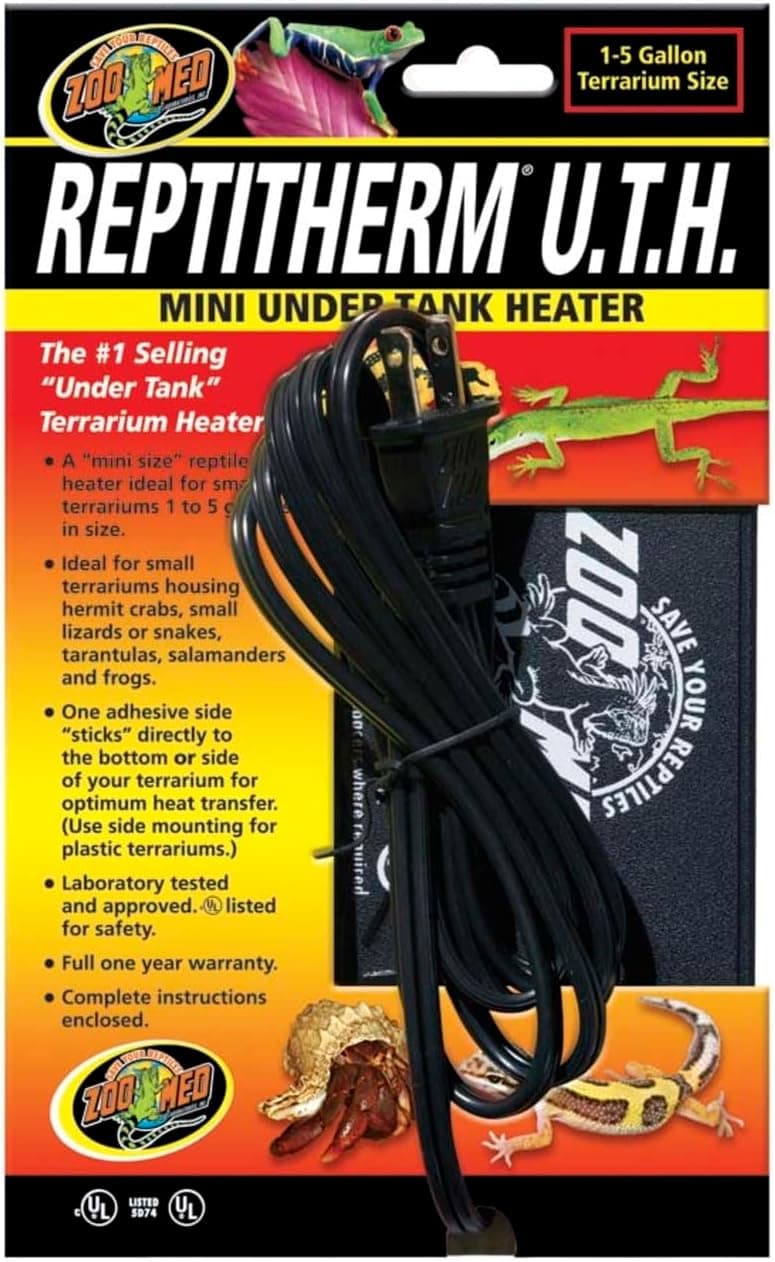
An unregulated heat source has exactly one setting: on. A heat mat left plugged straight into the wall does not stop at a comfortable temperature, it keeps adding energy until the heat it loses to the room matches the heat it produces, and where that balance lands depends on the room, the substrate, and the enclosure. In a cold room it may be fine. On a warm afternoon, under a thick substrate that traps heat, the same mat can climb well past anything safe for an animal resting on it. This is the reason the rule is absolute: every heat source in a terrarium runs through a thermostat, with no exceptions for low wattage devices.
The stakes are not theoretical. Contact heat sources are a known cause of thermal burns in kept reptiles, and burns often happen to animals that are already unwell or too cold to move away promptly. Reptiles do not reliably retreat from a surface that is damaging them the way a mammal would. A thermostat is a cheap component that sits between a normal setup and an avoidable injury, and it is one of the few pieces of terrarium equipment where spending a little more on a reputable unit is straightforwardly worth it.
There are three common thermostat types and they are not interchangeable. An on and off thermostat cuts power completely at the setpoint and restores it when the temperature falls, which suits heat mats, cables, and ceramic heat emitters but shortens the life of light bulbs and causes visible flicker. A pulse proportional thermostat delivers rapid bursts of power to hold a steadier temperature, which suits ceramic emitters and radiant panels well but must never be used with light emitting bulbs. A dimming thermostat smoothly varies the power and is the correct choice for basking bulbs and any light emitting source. Using the wrong type is not just inefficient, it can damage the heater.
Probe placement decides what the thermostat is actually controlling, and this is where setups go wrong most often. For a heat mat the probe belongs between the mat and the surface the animal contacts, so it measures the contact temperature rather than the air. For an overhead basking bulb, mount the probe at the basking surface height, positioned so the animal cannot dislodge it, and secure the cable so it cannot be pulled loose. Never leave a probe dangling in mid air, buried under shifting substrate, or sitting in the shade when it is meant to represent a basking site. A probe in the wrong place produces confident, badly wrong regulation.
A thermostat is a controller, not a monitor, so keep independent measurement in the habitat. Use a separate digital thermometer at the basking surface and another at the cool end, plus an infrared gun for spot checks, and compare them against the thermostat display regularly. If the two disagree, investigate before assuming the thermostat is right. Many keepers add a second layer of protection for higher risk setups, such as a backup thermostat wired in series, or a unit with a high temperature alarm, so a single failure does not become an emergency.
Build a small routine around it. Check the probe is still in place whenever you do a substrate change or rearrange decor, since it is easy to bury or move a probe while cleaning. Confirm the setpoint after any power cut, because some units reset. Inspect cables and the heater surface for damage periodically and replace anything cracked, frayed, or discoloured. If an animal has been in contact with an overheated surface and you see any skin damage, that is a veterinary case: burns in reptiles heal slowly and are prone to infection, so contact a reptile experienced veterinarian rather than treating it at home.