Winter and Power Outage Preparedness for Terrarium Keepers
Every keeper in a cold climate eventually faces a night when the heating fails or the power goes out, and the difference between an inconvenience and an emergency is almost entirely down to preparation done in advance. Reptiles and amphibians are surprisingly resilient to a short cool period, far more so than a warm blooded pet would be, so the goal is not to maintain perfect parameters through an outage but to keep the animal within a survivable range until normal service resumes. Panic driven improvisation is where animals get burned, so having a plan written down matters.
Start with winter proofing before the cold arrives. Move enclosures away from exterior walls, draughty windows, and outside doors, since a glass enclosure against a cold window loses heat continuously. Insulating the back and sides of an enclosure with polystyrene panels or purpose made insulation reduces the load on your heaters considerably. Cover part of a screen top on species that tolerate it to slow heat loss. Confirm your thermostats and probes are working properly before the season, and check the gradient again once the household heating changes, because a room that held steady in autumn often does not in January.
Redundancy is cheap compared with the alternative. Keep at least one spare bulb, one spare ceramic emitter, and ideally a spare thermostat, because equipment fails at inconvenient times and a shop trip in a cold snap is not always possible. A minimum and maximum thermometer, or better a digital thermometer with a high and low alarm, tells you what happened overnight rather than only what is happening now. Some keepers add temperature alarms that send a phone alert, which is worth considering for a valuable or delicate collection or for anyone who travels.
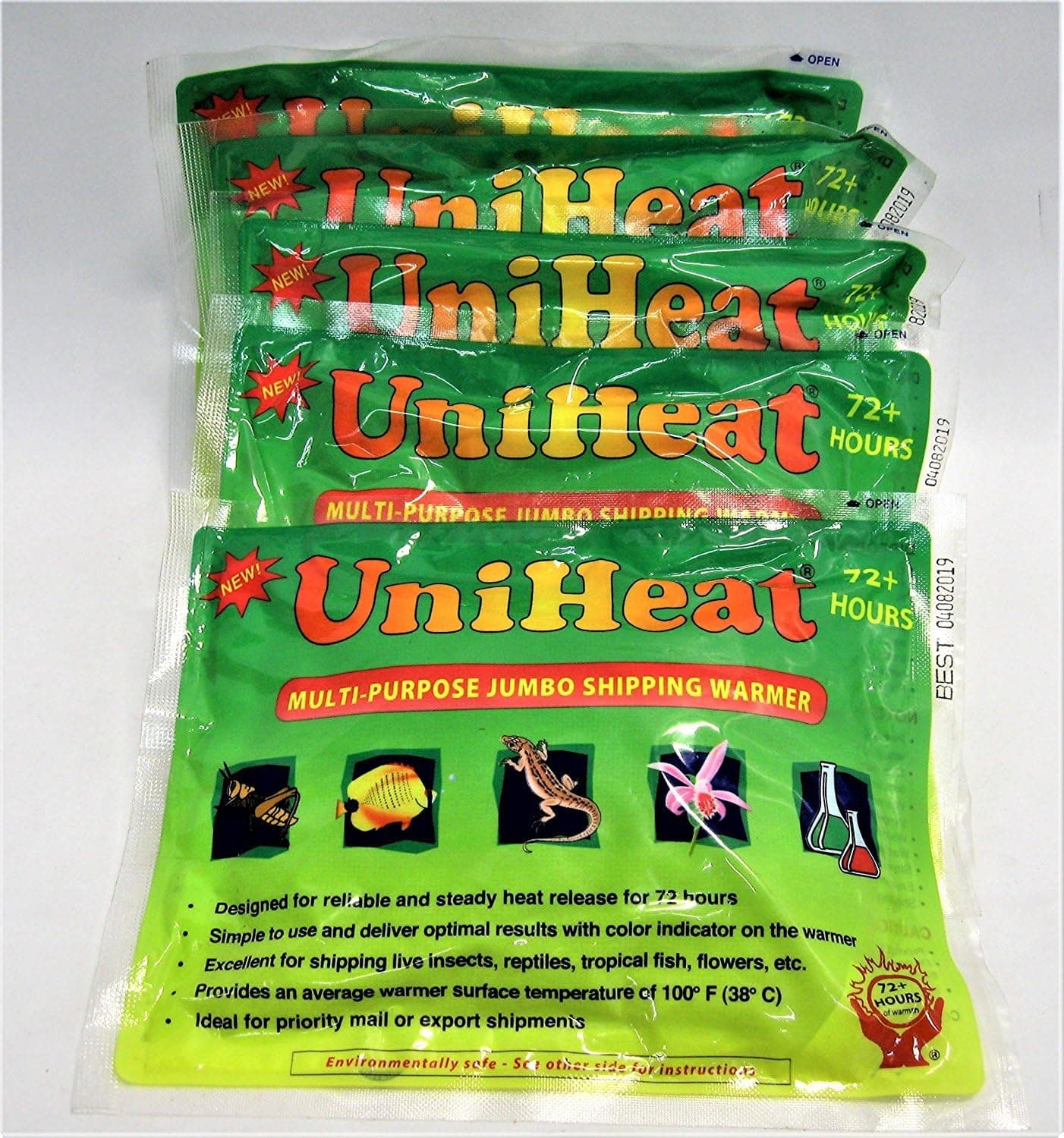
For an actual outage, the priority order is insulate, then add safe heat, then relocate. Insulation first: wrap the enclosure in blankets, towels, or foam panels, leaving ventilation, because retaining existing heat is easier than making new heat. Reduce the enclosure's effective volume by covering vents partially. Then, if needed, add a safe heat source. Chemical hand warmers or hot water bottles wrapped in several layers of towel and placed outside or beside the enclosure rather than in direct contact with the animal are the usual approach. A car with the heater running can serve as a temporary warm space for a transport tub. If the outage is prolonged, moving the animal in a secure, insulated transport container to a friend or family member with power is the most reliable option.
There are things not to do, and they matter. Do not use fuel burning heaters, camping stoves, generators, or barbecues inside a room with animals, because carbon monoxide is lethal and reptiles are not going to warn you. Do not place unwrapped heat packs or hot water bottles in direct contact with an animal, since contact burns happen quickly and reptiles do not reliably move away. Do not run a heat source without a thermostat once power returns, and do not rush the enclosure back to temperature with an oversized bulb. Bring things back to normal gradually and confirm your thermostat setpoints, since some units reset after a power interruption.
A few final habits round out the plan. Do not feed immediately before or during a cold period, because an animal that is too cool cannot digest properly, and wait until stable temperatures return before offering the next meal. Keep a written emergency plan near the enclosures listing target temperatures, where the spare equipment lives, and a backup location, so anyone in the household can act. Keep the contact details of a reptile experienced veterinarian somewhere visible. After any significant cold exposure, watch the animal closely over the following weeks for signs of respiratory illness such as wheezing, open mouth breathing, or nasal discharge, and seek veterinary advice promptly if any appear.