Choosing a Substrate That Suits Your Animal, Not Just the Shelf
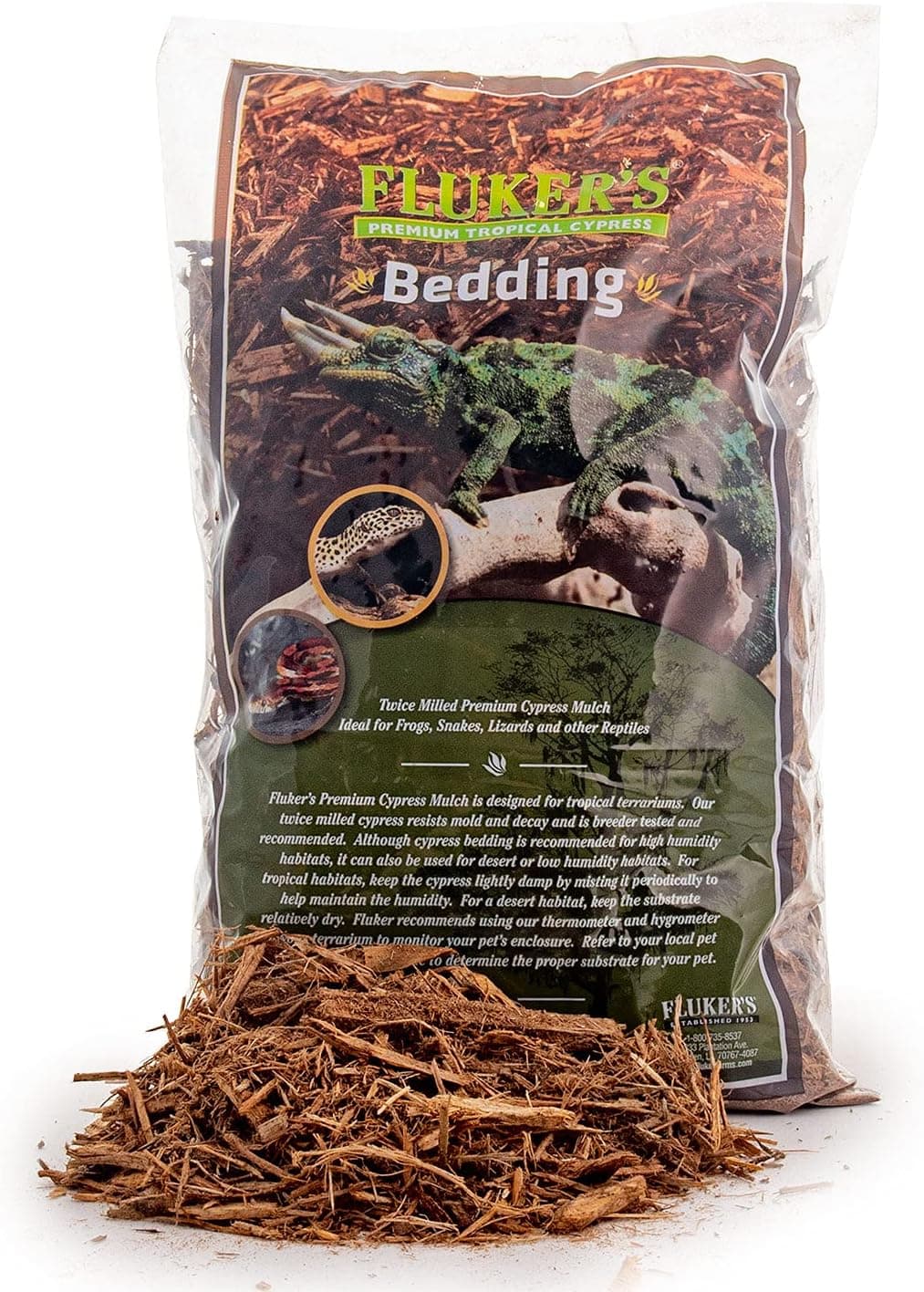
Substrate is not decoration. It sets how the enclosure holds moisture, whether the animal can burrow, how easy the habitat is to keep clean, and in some cases whether the animal is at risk of injury. Because it also happens to be the cheapest looking part of a setup, it is often chosen last and chosen badly. A better approach is to work backwards from three questions: does this species dig, how humid does the habitat need to be, and how will the animal encounter the substrate while feeding.
Start with moisture behaviour. Arid species need a substrate that dries out and stays dry, typically a soil and sand mix that holds a burrow without staying damp. Tropical species need a substrate that holds water and releases it slowly, such as coconut fibre, sphagnum moss, orchid bark, or a soil mix topped with leaf litter. Amphibians generally need consistently damp, soft, chemical free substrate and are far more sensitive to contaminants than reptiles because they absorb through their skin. Matching the substrate to your humidity target is usually more effective than fighting the enclosure with a misting bottle every day.
Depth matters as much as material. Many species burrow, and a shallow scatter across a glass floor does not allow it. Fossorial and semi fossorial animals need enough depth to construct a tunnel that holds its shape, which usually means a soil based mix rather than loose fibre alone, since pure loose material collapses. A species care sheet will normally give a working depth. Where an animal burrows to thermoregulate or to find humidity, depth is not enrichment, it is a functional part of the habitat.
Some materials are best avoided outright. Cedar and pine shavings release oils that are irritating and are not appropriate for reptiles or amphibians. Calcium sand is marketed as digestible and is a poor idea, since it encourages ingestion and can clump in the gut. Crushed walnut shell is sharp, dusty, and widely discouraged. Very fine loose sand alone is a poor choice for most species. Gravel and small stones offer nothing an animal wants and add ingestion risk. If a product's main selling point is how it looks in a photograph, that is a reason for scepticism rather than confidence.
Impaction risk deserves a clear headed treatment because it is frequently either dismissed or exaggerated. Loose substrate ingestion is a genuine concern, but the risk is heavily influenced by husbandry: dehydrated animals, animals kept too cool to digest properly, and animals fed directly on loose substrate are at greater risk than well kept animals on a suitable mix. The practical mitigations are straightforward. Keep temperatures and hydration correct, feed in a dish or on a flat tile rather than on loose bedding, and choose a substrate with a particle profile appropriate to the species rather than a novelty product.
For keepers who want a simple starting point, non particulate options such as paper towel or reptile carpet are perfectly acceptable during quarantine or while treating a health issue, because they make droppings, mites, and appetite easy to monitor. They are not a long term ideal for species that dig, since they remove a natural behaviour entirely. Whichever route you take, plan how you will maintain it: spot clean daily, replace fouled sections as needed, and change out non bioactive substrate on a regular schedule. If your animal is repeatedly eating substrate, straining to pass droppings, or losing appetite, treat that as a reason to consult a reptile experienced veterinarian rather than to change bedding brands and hope.