Intro to Bioactive Setups
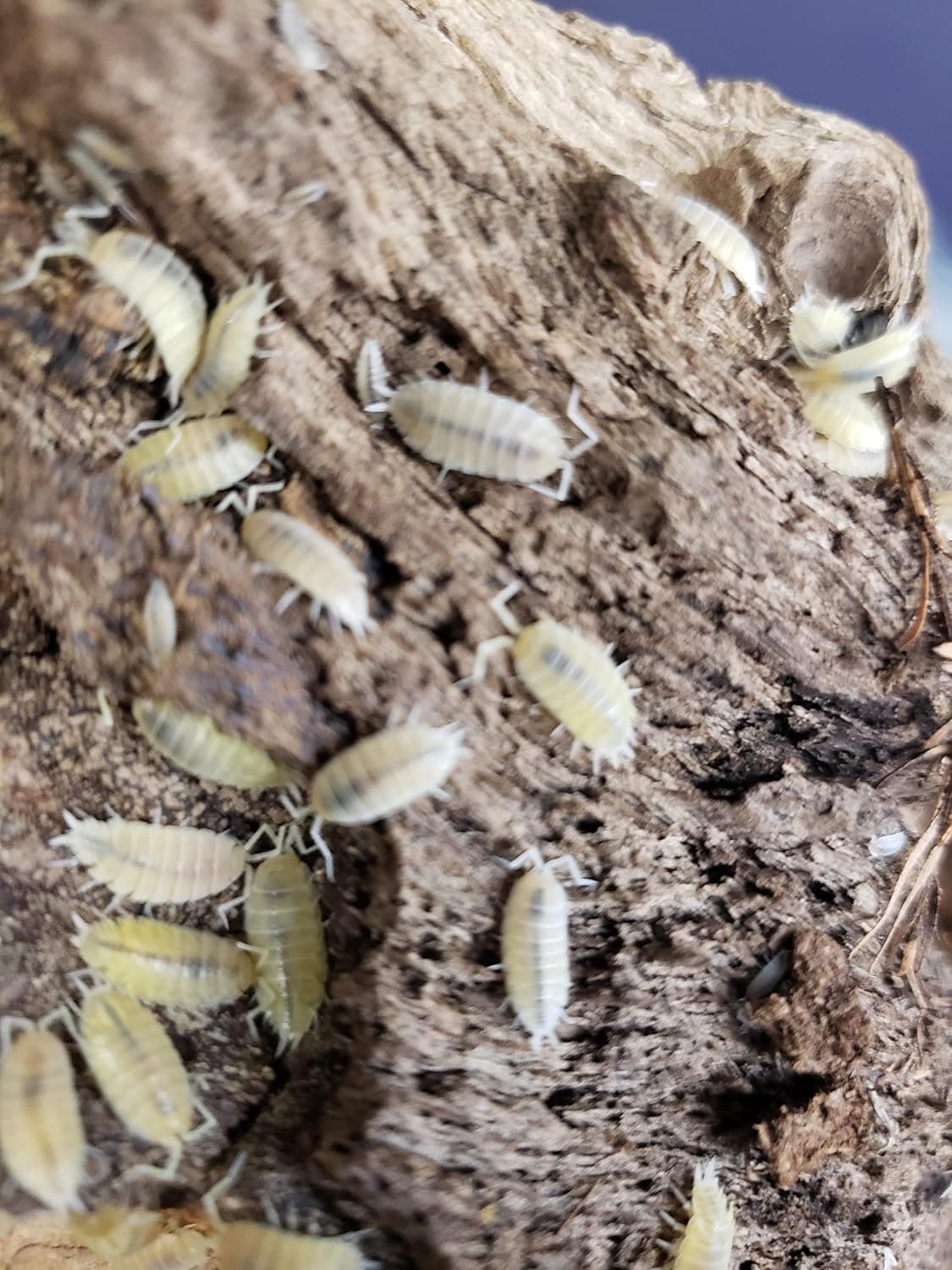
A bioactive terrarium is a habitat built as a small working ecosystem rather than a container that gets emptied and scrubbed. Living substrate, plants, and a population of small invertebrates process waste in place, so shed skin, droppings, and dead plant matter break down instead of accumulating. When it works, it means less full substrate replacement, a more stable humidity profile, and a habitat that offers considerably more for the animal to explore and interact with. It is not a magic system and it is not maintenance free, but it is a genuinely good way to keep many species.
The structure is usually four layers plus the living parts. A drainage layer at the bottom holds excess water below root level, a mesh or barrier separates it from the soil, a bioactive substrate mix provides growing medium and burrowing material, and leaf litter on top gives cover, food for the cleanup crew, and a humidity buffer. Into that go live plants and a cleanup crew, most often springtails and isopods. The animal lives above all of it, and the biology quietly runs underneath. Each layer has a job, and skipping any one of them tends to show up as a problem weeks later.
The most important thing to understand before starting is the cycling period. A bioactive enclosure should be built and left to establish before the animal moves in, ideally for several weeks, so plants root properly and the cleanup crew population builds to a level that can actually process waste. Introducing an animal into a fresh setup usually means the crew is eaten or crushed before it establishes and the plants get destroyed before they anchor. Patience at this stage is the single biggest predictor of whether a bioactive build succeeds.
Bioactive suits some species far better than others. Tropical and humid species are a natural fit, since the moisture that plants and invertebrates need matches what the animal needs. Arid species can be kept bioactive, but it requires a different substrate mix, drought tolerant plants, and a cleanup crew chosen for dry conditions, and it is a harder build. Very large or heavy animals will crush plants and compact substrate, so planting has to be protected or accepted as temporary. Animals that need strict quarantine or a course of medication are better on simple substrate where you can monitor and sanitise easily.
Maintenance changes rather than disappears. You still spot clean anything large or obvious, particularly from bigger animals whose waste output can overwhelm a crew. You still top up leaf litter, since it is the crew's food supply and it depletes. You still prune plants, check drainage is not flooding, and watch for mould blooms, which are normal in a new setup and usually settle as the crew establishes. You will occasionally add fresh springtails or isopods. What you generally stop doing is full teardowns and complete substrate replacements.
Go in with realistic expectations. A bioactive setup does not remove the need for correct temperatures, correct humidity, or correct UVB, and it will not fix a habitat that is wrong on those fundamentals. It does not sterilise the enclosure, and it does not substitute for quarantine of a new animal. It can be more expensive up front, and it takes longer to get running. What it offers in return is a more naturalistic, more enriching, and often more stable habitat with less disruptive cleaning. If you are new to keeping, there is nothing wrong with starting simple and converting to bioactive once you have the basic climate under control.