Leopard Gecko Setup Walkthrough for New Keepers
Leopard geckos are ground dwelling, crepuscular lizards from arid and rocky habitats, and that description drives every decision in the setup. They want floor space rather than height, warmth delivered from below as well as above, tight hides they can wedge into, and a dry enclosure with one reliably humid retreat. They are popular as a first reptile because they are hardy, slow moving, and generally tolerant of gentle handling, but hardy is not the same as undemanding, and most problems in the species trace back to heating or to inadequate hides.
For the enclosure, prioritise floor area and go larger than the old minimums you will find in older sources. A single adult should have a generous floor footprint with room for a full temperature gradient plus multiple hides, and many keepers now consider a substantially larger enclosure than the traditional tank to be the sensible baseline. A front opening terrarium is easier on the animal than reaching in from above. Keep the enclosure secure, since leopard geckos climb more than people expect and will find a gap. House adults singly: cohabitation frequently leads to competition, bullying, and injury.
Heating is the part that most often goes wrong. Leopard geckos absorb heat through their belly from warm surfaces, so a heat mat covering roughly a third of the floor at one end is the traditional core of the setup, and it must run through a thermostat with the probe placed between the mat and the surface the gecko contacts. Many keepers now also provide overhead heat with a halogen or basking bulb on a dimming thermostat to create a proper warm surface and ambient gradient. Set warm end and cool end temperatures to the figures in a current species care sheet, verify surface temperature with an infrared gun, and confirm ambient temperatures with digital probes at both ends.
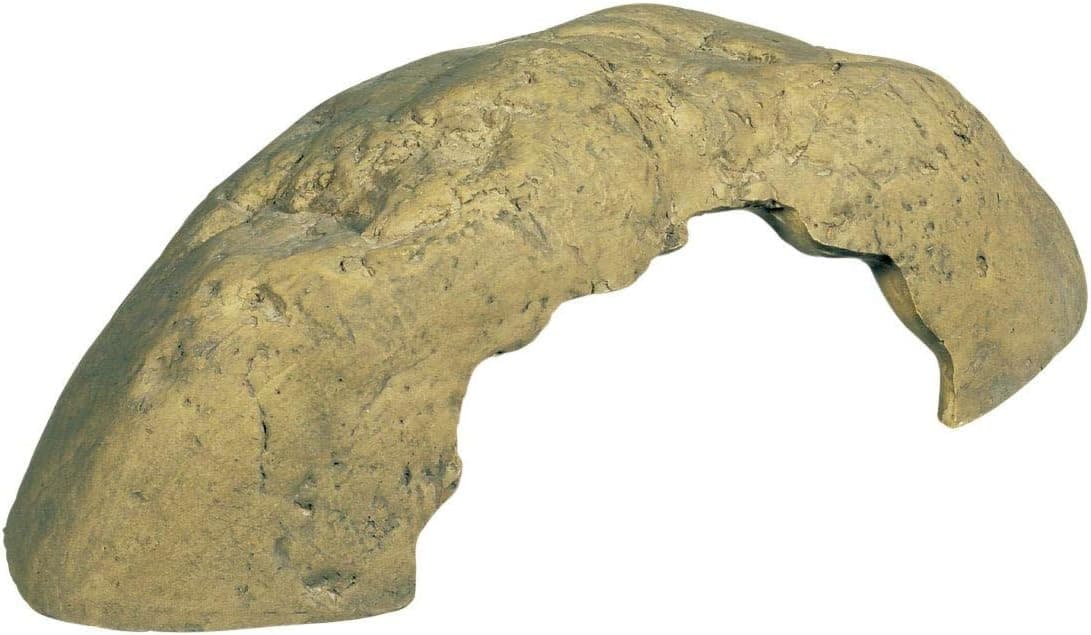
Hides are not optional and three is the working number: a warm hide over the heated area, a cool hide at the opposite end, and a humid hide packed with damp sphagnum moss placed in the middle or warm side. The humid hide is what supports clean shedding, and its absence is behind a large share of stuck shed on toes and eye caps. Good hides are snug rather than roomy. Add cork bark, rocks, and a low branch or two, because leopard geckos will climb and explore when the enclosure gives them the opportunity.
For substrate, choose deliberately. Paper towel and tile are easy to clean and are perfectly reasonable, particularly for juveniles or during quarantine. A soil and sand mix supports natural digging and is used successfully by many experienced keepers, provided the animal is well hydrated, kept at correct temperatures, and fed from a dish rather than off the loose substrate. Avoid calcium sand and crushed walnut. Keep the general enclosure dry, with humidity concentrated in the humid hide rather than raised across the whole habitat.
Lighting and diet round out the build. Leopard geckos were long kept without UVB, and low level UVB is now widely offered because there is evidence they benefit from it when a shaded retreat is always available. Provide a consistent day and night cycle. Feed a rotation of appropriately sized insects such as crickets, dubia roaches, and black soldier fly larvae, with fattier items like waxworms kept as occasional treats, gut loading the insects beforehand and dusting with calcium and a multivitamin on a schedule appropriate to your UVB provision. Provide fresh water at all times. Weigh the gecko regularly, watch the tail as an indicator of body condition, and consult a reptile experienced veterinarian for any signs of illness, persistent food refusal, or weight loss.