Quarantine for New Animals
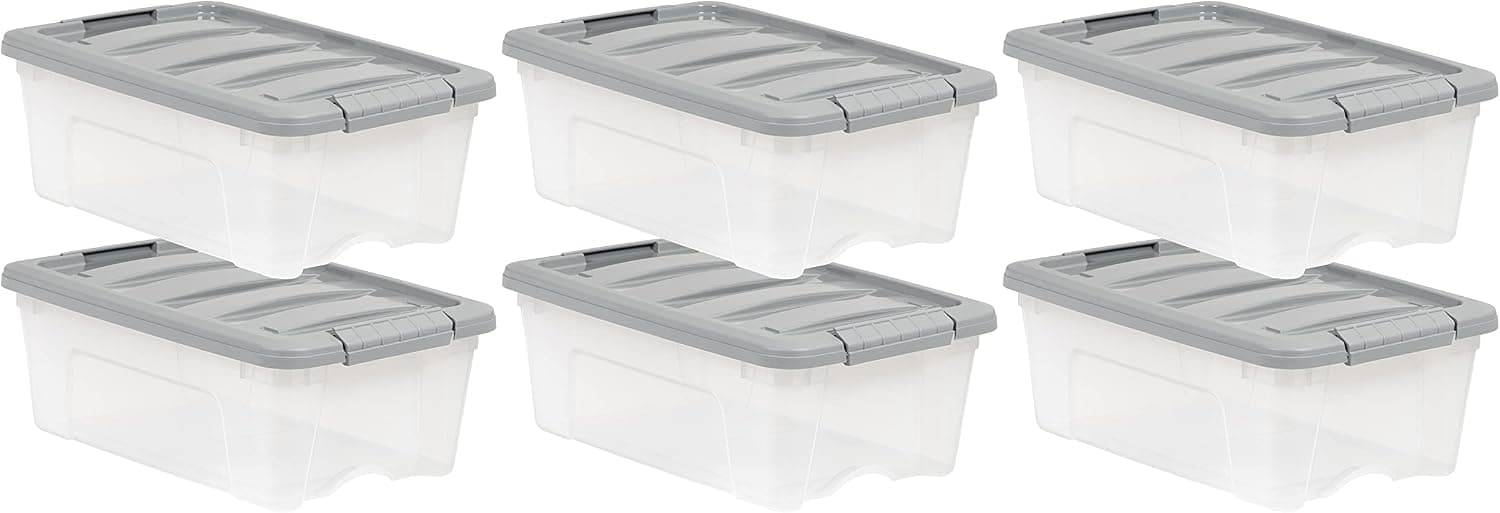
Quarantine is the practice of housing a newly acquired animal separately from any others you keep, in a simple enclosure that makes monitoring easy, for a period long enough that hidden problems have a chance to show themselves. It exists because an animal can carry parasites, mites, or infectious disease while looking entirely healthy at the point of purchase, and because the stress of transport and a new environment often causes a latent problem to surface in the following weeks. If you keep only one animal and intend to keep only one, quarantine is still worthwhile, because the simple setup makes early observation far easier.
The quarantine enclosure should be deliberately plain. Use paper towel or another non particulate substrate so droppings, blood, mites, and shed skin are immediately visible. Provide correct temperatures and a proper gradient, correct humidity, water, and at least two hides, because welfare requirements do not pause during quarantine. Skip live plants, deep substrate, and bioactive elements, both because they hide evidence and because you may need to disinfect everything afterwards. Everything in the quarantine enclosure should be either disposable or fully sanitisable.
Location and workflow matter as much as the enclosure. Keep the quarantine animal in a separate room from your existing collection where possible, since mites travel and airborne organisms do not respect an adjacent shelf. Use separate tools, water dishes, and cleaning equipment, clearly marked so they never migrate. Always work through your existing animals first and the quarantine animal last, then wash your hands thoroughly and change or clean anything that touched the quarantine setup before going back. This ordering costs nothing and blocks the most common transmission route.
Duration depends on who you ask, but a commonly used minimum in the hobby is around one to three months, with longer periods used for animals from unknown sources, wild caught animals, or any animal showing a symptom that needs resolving. Longer is safer. Keep the animal in quarantine until it has fed reliably, passed normal droppings consistently, completed at least one clean shed, and maintained or gained weight. Those milestones are more informative than a date on a calendar.
While the animal is in quarantine, observe systematically and write it down. Record weight weekly on a digital scale, note every meal offered and whether it was taken, note the appearance of droppings, and note each shed and whether it came off complete. Look closely for mites, which often appear as tiny dark specks around the eyes and in skin folds or as flecks in the water dish. Watch for laboured or open mouthed breathing, discharge from nose or mouth, retained shed, unusual lethargy, or any swelling. A daily glance takes seconds and a weekly weight takes a minute.
Quarantine is a monitoring and containment measure, not a treatment. If you see mites, signs of respiratory illness, persistent food refusal, weight loss, or anything else that concerns you, the correct step is an appointment with a reptile experienced veterinarian, who can run a faecal examination and advise on treatment. Many keepers arrange a routine vet check with a faecal screen during the quarantine period as standard practice for any new animal, which is a sensible habit. Do not treat an animal preventively with medication on the basis of internet advice, and do not shorten quarantine because the new enclosure is ready and waiting.