Safe Decor and Climbing Structures for Reptile Habitats
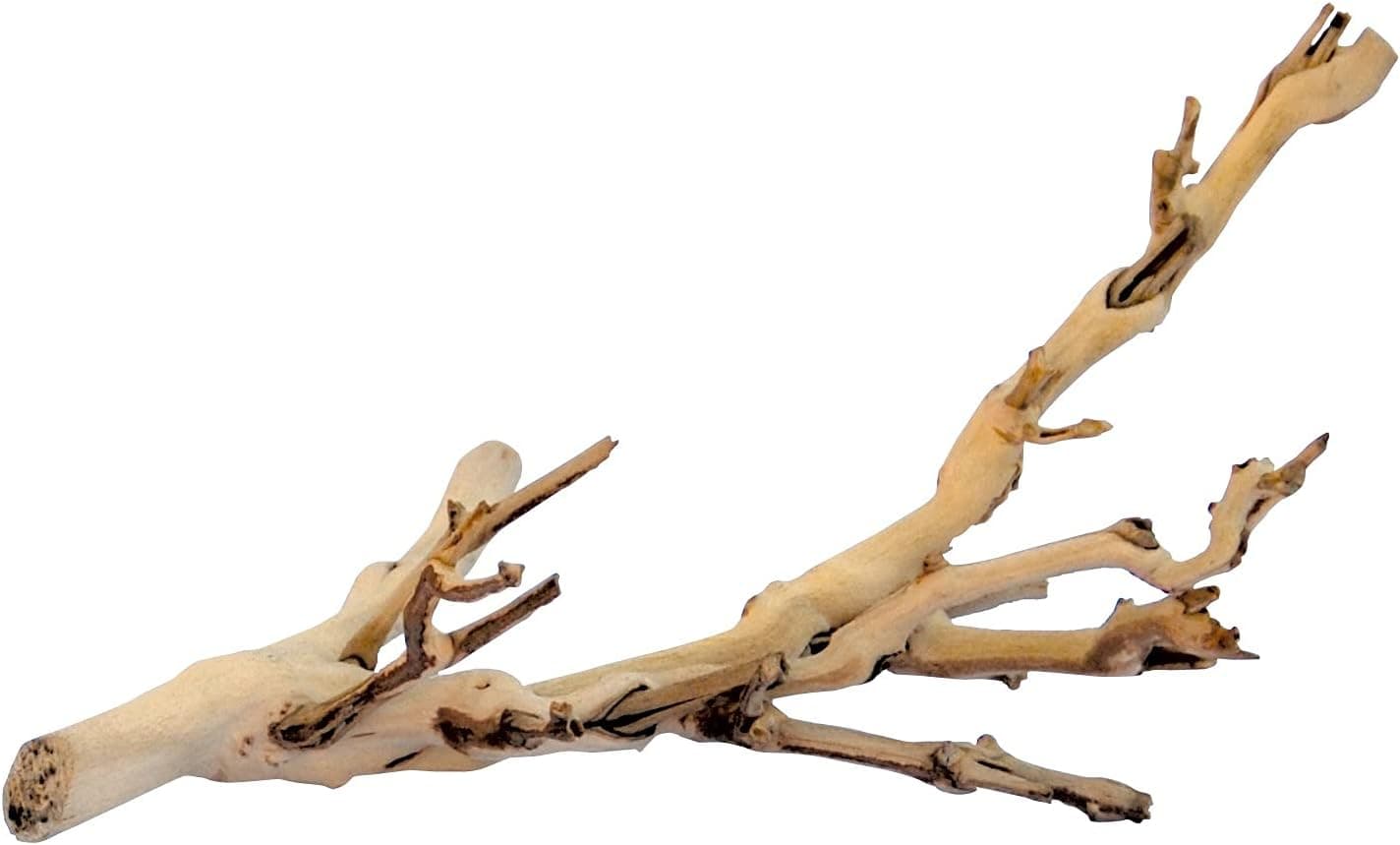
Decor is not filler. For most reptiles and amphibians it is the difference between a container and a habitat, because cover, height, and texture are what make an animal use the whole space rather than hiding in one corner. A well furnished enclosure supports natural behaviour: climbing, wedging into tight spots, basking at different heights, and moving between warm and cool areas without crossing open ground. The goal is to break the enclosure into a landscape with routes and refuges, then to make sure none of it can hurt the animal.
Hides come first because security comes first. Provide at least one hide on the warm side and one on the cool side, so the animal never has to choose between the temperature it wants and feeling safe. A good hide is snug, with a single small entrance, and it should contact the animal's body on multiple sides rather than being a spacious cave. Many keepers add a third humid hide packed with damp sphagnum moss, which supports shedding and gives the animal a moisture refuge independent of the enclosure average. Hides should be stable and easy to lift out for cleaning.
Climbing structures need to be planned as connected routes rather than scattered objects. An arboreal animal wants to travel from the floor to the top of the enclosure without dropping, which means branches that overlap, cork tubes that link levels, and foliage that provides cover along the way. Cork bark, both flats and rounds, is the workhorse of the hobby because it is light, textured, rot resistant, and easy to mount. Grapewood, mopani, and manzanita are common choices, each with different densities and moisture tolerance. Vary branch diameters so the animal has different grip options.
Secure everything, and assume the animal will test it. Branches should be wedged, siliconed, or fixed with mounting brackets so they cannot roll or slide when climbed. Rocks and slate must be seated on the enclosure floor or on a stable base rather than resting on top of loose substrate, because a burrowing animal can undermine a stack and be crushed by it. Anything heavy should be positioned so a collapse is physically impossible, not merely unlikely. Check the fixings periodically, especially after any substrate change or rearrangement.
Watch out for the less obvious hazards. Gaps that a head can enter but a body cannot pass are an entrapment risk, so inspect ornaments and hollow decor for narrow openings. Rough abrasive surfaces near a heat source can wear a snout raw for animals that push at the glass. Loose stringy artificial plants can catch on toes and be swallowed. Sharp edges on rock or resin should be blunted or discarded. Any decor placed directly under a heat lamp will run hotter than the ambient reading suggests, so measure the surface temperature with an infrared gun before assuming a perch is safe.
Wild collected wood, rock, and leaf litter can be used, and many keepers prefer it, but treat it first. Collect away from roadsides and areas likely to have been sprayed, then clean and either bake or soak items as appropriate for the material, keeping in mind that resinous woods are not suitable. Live plants bought from general garden centres often carry pesticide residue and should be repotted in clean substrate and rinsed thoroughly before going in. Finally, rearrange decor occasionally as enrichment, but do it gradually for nervous animals, and if an animal stops using the enclosure normally or shows an injury from a fall or abrasion, have it seen by a reptile experienced veterinarian.